


Farming is full of unpleasant realities. The smell of manure is one of them. For generations, livestock producers have accepted it as part of the job—something to be managed, tolerated, and occasionally complained about over coffee at the local supply store. But a growing number of farmers are looking at that same manure pile and seeing something entirely different. They see revenue. They see independence from volatile fertilizer markets. They see an opportunity that their competitors are still walking right past.
This isn’t theory. It’s happening right now, on farms of every size, in every corner of the world. The catalyst is a simple piece of technology that takes one of farming’s biggest headaches and turns it into one of its most reliable income streams. What follows are the stories of three farmers who made the leap—and what they learned along the way.
The Dairy Farmer Who Stopped Paying for Disposal
Tomás had been running a 300-head dairy operation in northern Portugal for over twenty years. Like most dairy farmers, he viewed manure as an unavoidable cost. Every month, he paid a contractor to haul it away. Every month, that check got a little bigger. The environmental regulations were tightening too—new rules on nitrogen runoff meant he couldn’t just spread it on his own fields the way his father had.
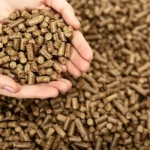
Then he attended a farm expo and watched a demonstration that changed his perspective. Raw manure went in one end of a machine. Clean, dry, uniform pellets came out the other. The pellets didn’t smell. They were easy to bag. A representative handed him a sample and told him to take it to any organic fertilizer buyer in the region and ask what they’d pay. Tomás was skeptical, but he did exactly that.
The number he got back was shocking. The pellets were worth more per ton than the milk he was producing on the same cows that generated the manure. He crunched the numbers and realized he’d been paying someone to haul away what was essentially free fertilizer. He’d been losing money twice—once on disposal costs, once on missed revenue.
Today, Tomás operates a cow dung pellet making machine that processes about three tons per hour. The manure from his 300 head is collected, dried, and compressed into uniform pellets that he sells to organic vegetable growers. The hauling checks stopped. Instead, he now deposits checks from fertilizer buyers. The investment paid for itself in fourteen months. The environmental inspectors are happy too—his operation is now a model of sustainable waste management in his region.
What you can learn from Tomás: If you’re paying for manure disposal, you’re losing money twice. The equipment exists. The market exists. The only missing piece is the decision to start.
The Poultry Operator Who Diversified Through Crisis
Maria managed a 50,000-bird layer operation in Myanmar. When COVID-19 hit, the restaurant closures decimated her egg sales overnight. Pellets for heating were the only bright spot. The bird droppings had long been a disposal headache, but she’d never considered processing them. The pandemic changed everything. With income from eggs slashed, she needed alternative revenue streams just to keep the farm running.
She researched pelletizing equipment and realized that poultry manure, with its high nitrogen content, was actually more valuable than cow dung for fertilizer applications. But she also learned something surprising: the bird droppings could also be processed into fuel pellets for cooking and heating. In a region where firewood was becoming scarce and expensive, that was a genuine opportunity. She secured a small grant from a agricultural development program and installed a commercial poultry manure pellet machine with a capacity of about four tons per hour.
The machine was a rescue. When egg prices eventually rebounded, she had a second stable income source. She sells about half her production as fertilizer to rice farmers and the other half as fuel pellets to local factories. The farm survived the pandemic and has actually grown since. She’s looking at installing a second unit.
What you can learn from Maria: Crisis exposes dependencies. Having a diversified income stream—one that starts with something you already produce for free—provides resilience that single-revenue operations simply don’t have.
The Entrepreneur Who Skipped Livestock Altogether
James had never raised a single cow, chicken, or pig. He was a city-based business consultant who saw a market gap. In his home country, organic fertilizer was in high demand but short supply. Chemical fertilizer prices were skyrocketing, and farmers were desperate for alternatives. At the same time, large livestock operations in the area were struggling with manure disposal. It seemed like the classic business opportunity: solve a problem for one group by taking waste from another.
He leased space near a large dairy operation and set up a small processing facility. The dairy would pay him a small fee to take the manure—the dairy owner considered it a great deal. James purchased a pellet maker and processed the manure into fertilizer pellets that he sold through local agricultural supply stores. The margins were excellent. The dairy got a reliable disposal partner, James got a low-cost feedstock, and farmers got affordable organic fertilizer.
He eventually scaled to two machines and now processes around 500 tons of manure annually. His operation is entirely independent of any livestock production—he buys raw manure from multiple sources and sells pellets to dozens of customers. He’s now considering adding a poultry manure line to diversify his product range.
What you can learn from James: You don’t need to be a farmer to get into this business. The equipment is accessible. The feedstock is available. The customers are hungry. This is an entrepreneurial opportunity as much as an agricultural one.
How the Machines Actually Work
Before you invest, it’s helpful to understand how these machines function and what makes them different from standard pellet mills. Manure is a challenging material because of its high moisture content, variable consistency, and abrasive nature. General-purpose pellet mills designed for wood or grain simply won’t survive in a manure application.
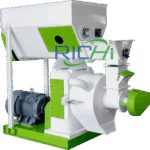
A well-engineered cow dung pellet making machine includes specific design features that make it suitable for this demanding application. First, the feeding mechanism is reinforced to handle sticky material that would clog standard feeders. The screw and extrusion sections are made from wear-resistant alloys that can withstand the abrasive silica and grit commonly found in manure. Conditioners are often included to adjust moisture levels before compaction, ensuring consistent pellet quality.
Capacity matters too. Smallholders can get started with a basic flat-die unit that processes 80-100 kg per hour. These are often affordable and can be powered by a tractor PTO, making them accessible for smaller operations. For commercial producers, ring-die machines with capacities ranging from 3-26 tons per hour represent a serious investment—usually between $120,000 and $300,000—but the economics scale accordingly.
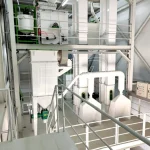
Maintenance is a regular consideration. The wear parts—particularly the die and rollers—need periodic replacement. However, with proper operation and regular maintenance, a quality machine will deliver years of reliable service. Buyers should also consider the full system: dryers, crushers, conditioners, and cooling equipment are often needed for a complete production line.
Making the Decision
Deciding whether to invest in manure pelletization involves evaluating four key factors:
Your feedstock quantity. How much manure do you produce daily? If you’re a smallholder with five cows, the numbers probably don’t work. But if you’re running a commercial operation with 100+ head, the revenue potential becomes real.
Your market. Who will buy your pellets? Organic crop farmers are the most obvious customers, but biomass fuel buyers represent another growing market. Research demand in your region before investing.
Your capital. Equipment costs vary widely. Smaller flat-die machines might cost a few thousand dollars, making them accessible with modest capital. Larger ring-die systems require significant investment, usually financed through equipment loans or agricultural grants.
Your commitment. Are you willing to learn a new skill set? Manure pelletizing requires understanding moisture control, die adjustment, and quality management. It’s not complicated, but it demands attention to detail.
The Bigger Picture
The adoption of manure pelletizing technology is about more than individual farm profitability. It addresses a larger societal need for sustainable agriculture. The open storage of raw manure releases methane and nitrous oxide—both potent greenhouse gases. Nitrogen runoff from raw manure application contributes to algal blooms and dead zones in waterways. By densifying manure into pellets and applying it in precise amounts, farmers can dramatically reduce these environmental impacts.
For consumers, manure pellets represent a more sustainable way to grow food. Organic certification is easier to achieve when farmers use carefully processed manure rather than chemical fertilizers. For governments, widespread adoption of this technology helps meet environmental targets without imposing burdensome regulations.
A Pragmatic Perspective
These success stories shouldn’t suggest that manure pelletizing is a guaranteed path to riches. It’s not. There are challenges: drying manure to the proper moisture content is energy-intensive, and it can be difficult to consistently source high-quality manure if you’re buying from multiple producers. The payback period ranges from one to three years, which is realistic but not immediate.
But for farmers already managing large livestock operations, the barriers are lower than they appear. The feedstock is already being generated. The disposal costs are already being paid. The equipment is available and proven. And the markets for organic fertilizer and biomass fuel are growing, not shrinking.
Conclusion
These three stories share a common theme: farmers who looked at the same pile of manure as their neighbors and saw something different. They didn’t have special training or unique resources. They just recognized that waste is waste only until someone figures out how to use it.
The revolution in agricultural waste management is already underway. The question isn’t whether manure pelletizing works—it clearly does, on farms across the world. The question is whether you’re ready to join the farmers who are turning one of farming’s biggest liabilities into one of its most reliable assets. The machines are ready. The markets are waiting. The only question is what you’re going to do with that pile behind your barn.
View more:https://pelletizerextruder.com/cow-dung-pellet-making-machine/