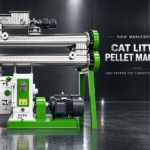




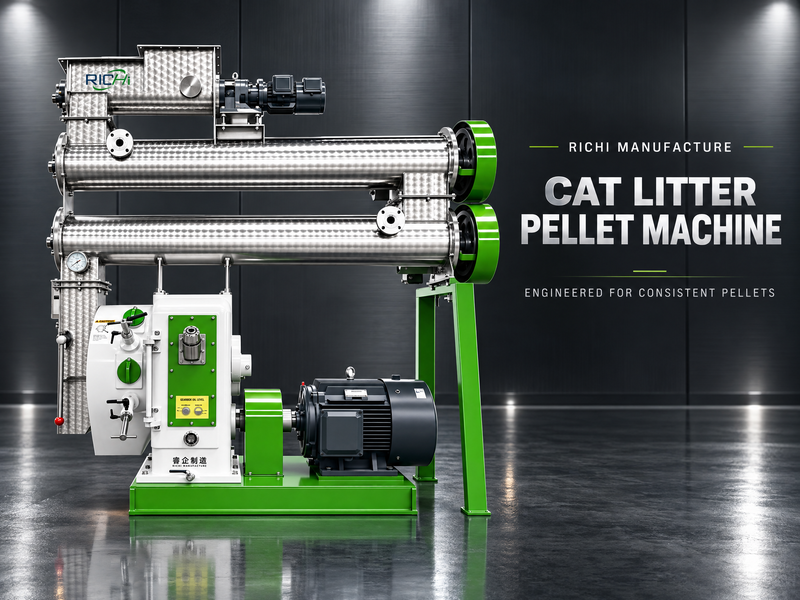
Building a Small Cat Litter Factory That Can Grow
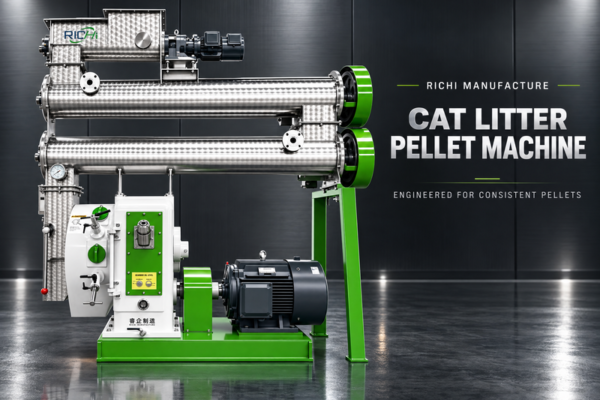
Why a Smaller Start Can Be a Strategic Choice New manufacturers often face uncertainty about…
Why a Smaller Start Can Be a Strategic Choice New manufacturers often face uncertainty about…
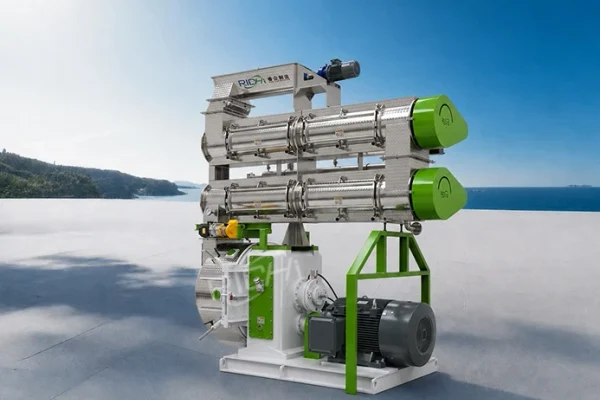
alk into a rabbit barn at feeding time and watch the floor. In many operations,…
Capacity Is More Than a Number on a Machine When investors begin planning a sawdust…
Wood chips are widely used in biomass fuel production, wood pellet manufacturing, briquetting, biomass boilers,…
Why a Smaller Start Can Be a Strategic Choice New manufacturers often face uncertainty about local demand, distribution channels, and the most suitable litter formulation. Starting with a manageable capacity can help a business test its product, develop customer relationships, and refine its production process before committing to a much larger facility. A cat litter…
alk into a rabbit barn at feeding time and watch the floor. In many operations, a noticeable share of the feed never reaches the rabbit. It ends up as powder under the cage, fines in the feeder tray, or crumbs the rabbit pushes aside with its nose. The farmer pays for that feed. The rabbit…
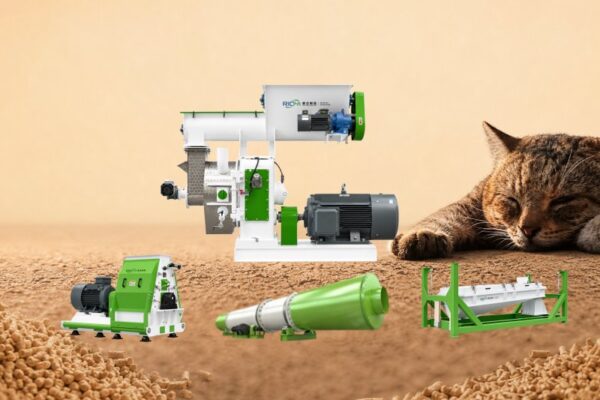
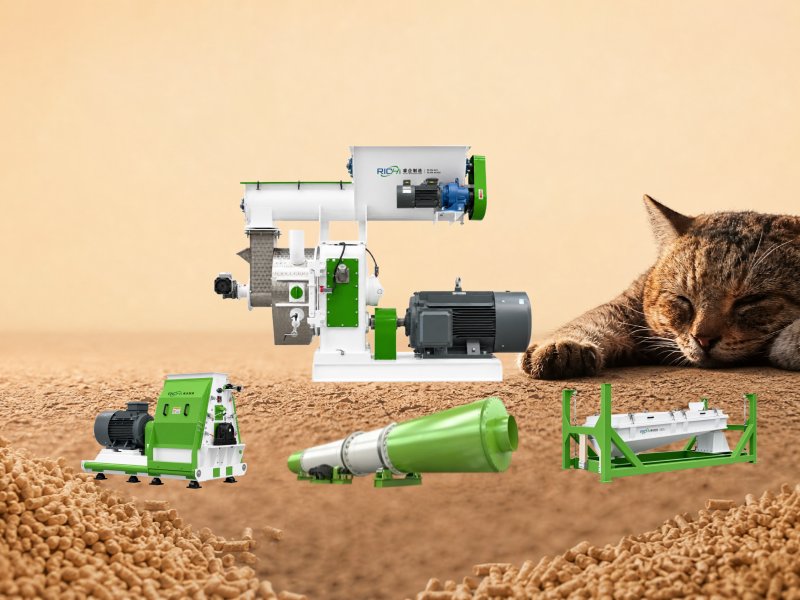
Capacity Is More Than a Number on a Machine When investors begin planning a sawdust cat litter project, one of the first questions is usually: “What capacity should the line have?” It sounds simple, but the answer depends on much more than the desired output. A production target influences raw-material storage, milling, forming, drying, cooling,…
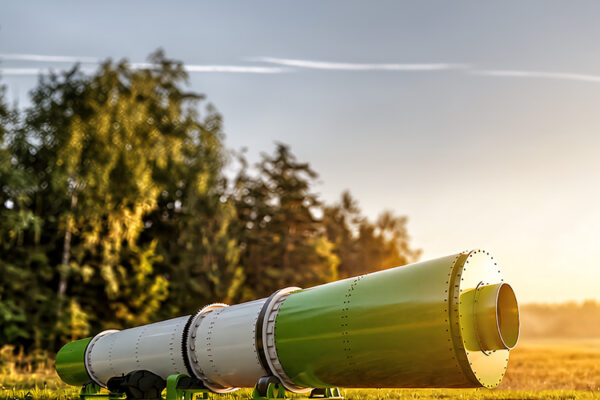
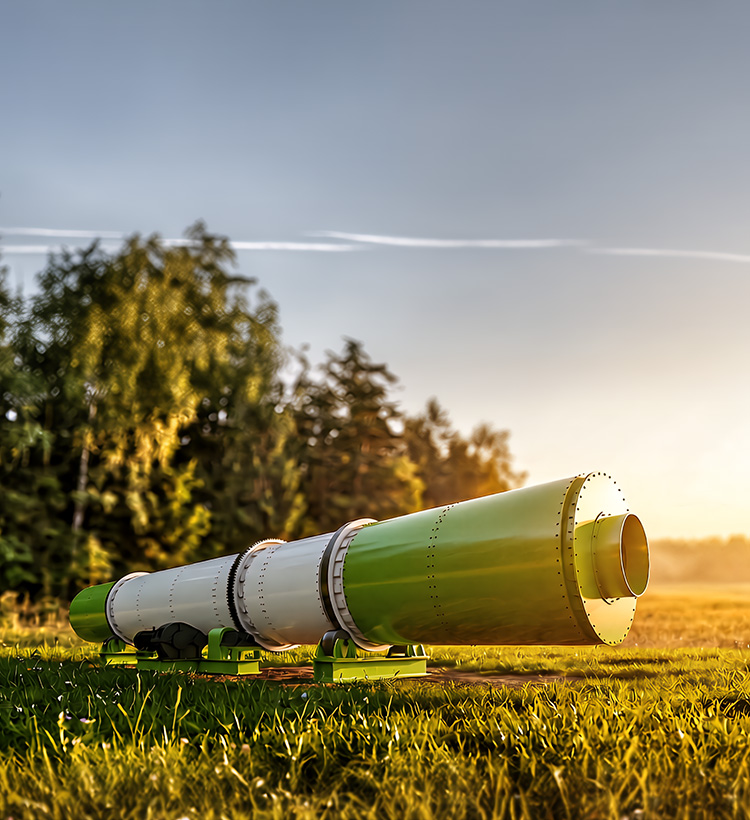
Wood chips are widely used in biomass fuel production, wood pellet manufacturing, briquetting, biomass boilers, pulp and paper production, animal bedding, and other wood-processing applications. However, freshly produced wood chips often contain a significant amount of moisture. If this moisture is not properly controlled, it can reduce energy efficiency, increase transportation costs, affect storage stability,…
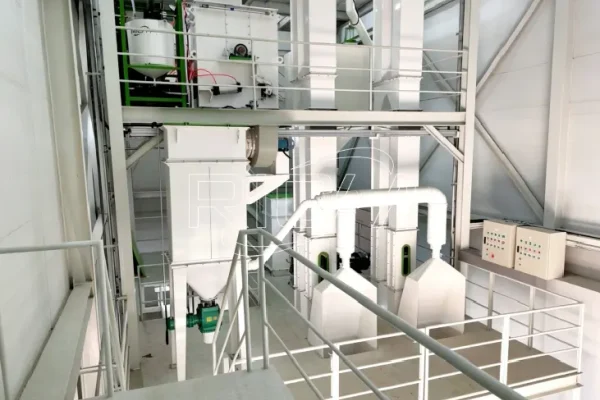
Premix is an important part of modern animal nutrition, but producing it consistently requires more than simply combining vitamins and minerals. A commercial facility needs to manage small-dose ingredients accurately, maintain uniform mixing, control material flow, and protect finished products during storage and packaging. For this reason, planning a premix feed mill requires an understanding of…
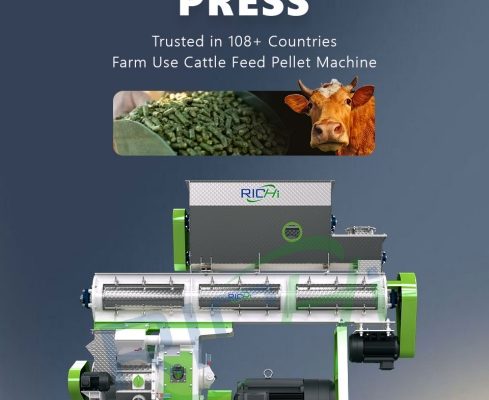
Alfalfa is widely used as a forage crop because of its nutritional value, but loose alfalfa can be bulky and difficult to handle efficiently. Pelletizing can turn prepared alfalfa into a denser and more uniform feed product that is easier to store, transport, and handle. When looking for an alfalfa pellet machine for sale, buyers…
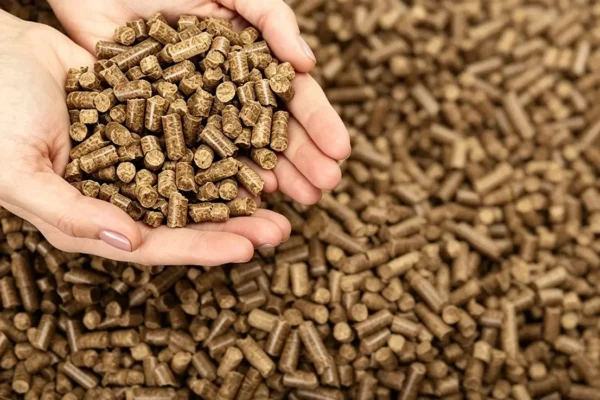
The palm oil industry produces large quantities of biomass residues during fruit processing. One of the most important residues is Empty Fruit Bunch, commonly known as EFB. After palm fruits are separated from the bunches at a palm oil mill, the remaining empty fruit bunches become a fibrous biomass material. For many palm oil producers,…
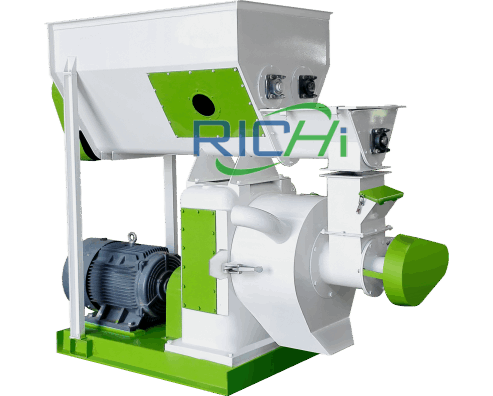
Buying a pellet mill is not like buying a new truck or a piece of land. It’s a decision that affects your operation for years. The machine you choose determines what you can produce, how much you can produce, and how much it costs to keep running. Get it right, and it becomes the most…
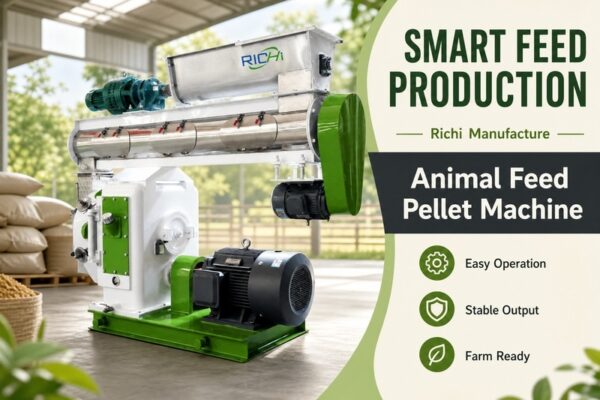
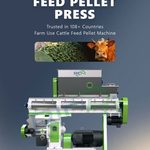
Many mixed farms raise more than one type of animal. A producer may keep chickens, pigs, cattle, sheep, or goats while using agricultural ingredients from the same farm. Producing feed independently can provide greater control over raw material use, but the equipment must be flexible enough to handle different formulas. A small animal feed pellet…
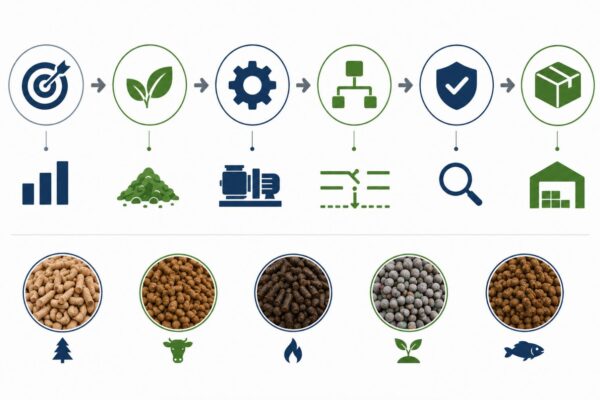
Producing several finished pellet products in one factory can improve asset utilization and expand the number of markets the plant can serve, but it also makes the project more complex. The main challenge is not whether one pellet mill can physically make different products. The real question is whether the complete factory can change raw…