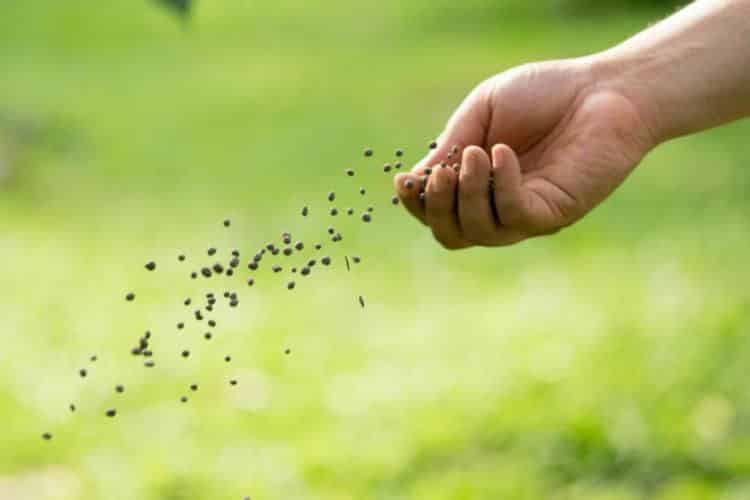
What Is the Organic Fertilizer Pellet Production Process
Organic fertilizer has become an essential part of modern sustainable agriculture. As farmers and agricultural producers shift toward eco-friendly and cost-effective soil nutrition solutions, the demand for organic fertilizer pellets continues to rise worldwide. These pellets are not only easier to store and transport but also offer controlled nutrient release for crops. Understanding the organic fertilizer pellet production process is crucial for anyone involved in agricultural production, composting, or fertilizer manufacturing.
This article provides a comprehensive explanation of how organic fertilizer pellets are produced, what raw materials are used, the role of machinery such as the organic fertilizer pellet making machine, and the advantages of pelletized organic fertilizer in modern agriculture.
1. Overview of Organic Fertilizer Pellet Production
The organic fertilizer pellet production process refers to the transformation of raw organic waste materials into compact, uniform pellet form through a series of mechanical and biological steps. These pellets are rich in nutrients such as nitrogen, phosphorus, potassium, and organic matter, which improve soil fertility and structure.
The process typically includes:
- Raw material collection
- Compost fermentation
- Crushing and mixing
- Moisture adjustment
- Pelletizing
- Drying and cooling
- Screening and packaging
Each stage plays a critical role in ensuring the final product is stable, nutrient-rich, and suitable for agricultural use.
2. Raw Materials Used in Organic Fertilizer Pellet Production
The quality of organic fertilizer pellets depends heavily on the raw materials used. Common materials include:
2.1 Animal Manure
- Cow manure
- Chicken manure
- Pig manure
- Sheep manure
Animal waste is rich in nitrogen and organic matter, making it a primary ingredient.
2.2 Agricultural Waste
- Straw
- Rice husk
- Corn stalks
- Wheat straw
These materials help balance carbon content and improve pellet structure.
2.3 Industrial Organic Waste
- Food waste
- Brewery residues
- Sugar industry by-products
These are often recycled into fertilizers after proper treatment.
2.4 Other Additives
- Humic acid
- Mineral powder
- Bio-bacteria agents
These improve nutrient availability and microbial activity in soil.
3. Composting and Fermentation Process
Before pelletizing, raw organic materials must undergo composting. This is a critical biological process that decomposes organic matter into stable humus.
3.1 Purpose of Composting
- Eliminate harmful pathogens
- Remove weed seeds
- Reduce moisture content
- Stabilize organic matter
3.2 Fermentation Method
The materials are piled into windrows or fermentation tanks. Microorganisms break down the organic matter under controlled temperature, oxygen, and moisture conditions.
- Temperature: 55°C–70°C
- Duration: 10–30 days (depending on materials)
Proper fermentation ensures that the final fertilizer is safe and effective.
4. Crushing and Mixing Process
After composting, the material becomes semi-decomposed and may contain lumps. A crushing machine is used to break down large particles into fine powder.
4.1 Crushing
A grinder reduces particle size to ensure uniformity. This step improves pellet quality and consistency.
4.2 Mixing
A mixer blends different raw materials evenly. This ensures balanced nutrient distribution throughout the fertilizer.
At this stage, additives like minerals or microbial agents can also be incorporated.
5. Moisture Adjustment
Moisture content is a key factor in pellet production. The ideal moisture level is usually:
- 20%–30% for pelletizing
If moisture is too high, pellets will be weak and difficult to form. If too low, the material will not bind properly.
Water or drying processes are used to achieve optimal conditions.
6. Pelletizing Process (Core Stage)
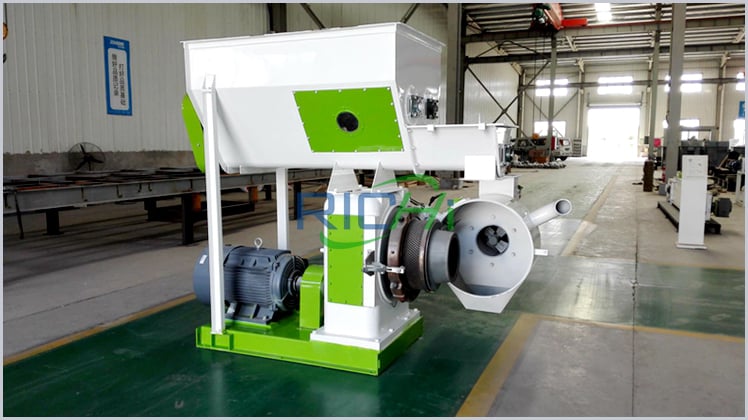
The most important stage in the entire production line is pelletizing. This is where loose organic material is compressed into solid pellets using an organic fertilizer pellet making machine.
https://richipelletizer.com/organic-fertilizer-pellet-machine
6.1 Working Principle
The organic fertilizer pellet making machine uses mechanical pressure, friction, and sometimes heat to shape the composted material into cylindrical or granular pellets.
Depending on the machine type, the process may involve:
- Flat die extrusion
- Ring die compression
- Rotary rolling forming
6.2 Key Types of Pellet Machines
1. Flat Die Pellet Machine
- Suitable for small to medium production
- Simple structure
- Lower investment cost
2. Ring Die Pellet Machine
- Suitable for large-scale production
- High efficiency
- Stable output quality
3. Vertical Pellet Machine
- Combines mixing and pelletizing
- Good for high-moisture materials
- Often used in integrated production lines
6.3 Advantages of Pelletizing
- Uniform pellet size
- Easy storage and transport
- Reduced dust pollution
- Improved nutrient release efficiency
The organic fertilizer pellet making machine is the heart of the entire production line and determines the quality of the final product.
7. Drying Process
After pelletizing, the pellets contain moisture that must be reduced for storage stability.
7.1 Purpose of Drying
- Prevent microbial spoilage
- Increase shelf life
- Improve hardness
7.2 Drying Equipment
A rotary drum dryer is commonly used. Hot air reduces moisture content to below 10%.
Proper drying ensures that pellets remain stable during transportation and storage.
8. Cooling Process
Freshly dried pellets are still hot and fragile. A cooling machine is used to bring them to room temperature.
Benefits of Cooling:
- Increases pellet hardness
- Prevents moisture reabsorption
- Improves packaging quality
Cooling is essential for maintaining product integrity.
9. Screening and Packaging
9.1 Screening
A vibrating screen separates:
- Oversized pellets
- Powder residues
- Broken particles
Unqualified materials are recycled back into the production system.
9.2 Packaging
Finished pellets are packaged into bags of various sizes:
- 10 kg
- 25 kg
- 50 kg
or bulk packaging for large farms.
Automated packaging systems improve efficiency and reduce labor costs. (take a look at the site here)
10. Advantages of Organic Fertilizer Pellets
Organic fertilizer pellets offer numerous benefits compared to raw compost or chemical fertilizers:
10.1 Environmental Benefits
- Reduces agricultural waste
- Lowers greenhouse gas emissions
- Improves soil biodiversity
10.2 Agricultural Benefits
- Enhances soil fertility
- Improves water retention
- Promotes healthy plant growth
10.3 Economic Benefits
- Low production cost using waste materials
- High market demand
- Long shelf life reduces losses
11. Role of Organic Fertilizer Pellet Making Machine in Modern Agriculture
The organic fertilizer pellet making machine plays a central role in transforming agricultural waste into valuable resources. Without this machine, organic fertilizer would remain in loose, unstable compost form, difficult to handle and transport.
Key contributions include:
- Standardization of fertilizer quality
- Large-scale production capability
- Improved automation in fertilizer plants
- Reduction of manual labor dependency
Modern agriculture increasingly relies on such machinery to support sustainable production systems.
12. Environmental and Sustainability Impact
Organic fertilizer pellet production contributes significantly to environmental protection:
- Recycling livestock and agricultural waste
- Reducing dependence on chemical fertilizers
- Improving soil health in the long term
- Supporting circular economy models
By converting waste into value-added products, this process reduces pollution and promotes sustainable farming practices.
13. Challenges in Organic Fertilizer Pellet Production
Despite its advantages, the production process also faces challenges:
- Variability in raw material quality
- High initial investment in machinery
- Need for proper fermentation control
- Maintenance of pellet machines
However, with proper planning and technology, these challenges can be effectively managed.
14. Future Trends in Organic Fertilizer Pellet Production
The industry is evolving rapidly with new innovations:
- Smart automated production lines
- Energy-efficient drying systems
- Advanced microbial fermentation technology
- AI-based process control systems
The demand for organic fertilizer will continue to grow as global agriculture shifts toward sustainability.
Conclusion
The organic fertilizer pellet production process is a complex but highly efficient system that transforms organic waste into valuable agricultural input. From raw material collection and composting to pelletizing, drying, and packaging, each step ensures high-quality fertilizer production.
At the center of this process is the organic fertilizer pellet making machine, which enables the conversion of decomposed organic materials into uniform, easy-to-use pellets. This not only improves agricultural productivity but also supports environmental sustainability.
As global demand for eco-friendly farming solutions increases, organic fertilizer pellet production will continue to play a vital role in modern agriculture, driving both economic and environmental benefits.