

Introduction
The rapid development of global aquaculture has created increasing demand for high-quality aquatic feed. As fish farming becomes more intensive and commercialized, feed quality has become one of the most important factors affecting growth performance, feed efficiency, water quality, and overall profitability. High-quality aquatic feed provides balanced nutrition, excellent digestibility, strong water stability, and suitable feeding characteristics, allowing aquatic animals to achieve better growth with lower production costs.
However, producing high-quality aquatic feed requires more than simply mixing raw materials. It involves scientific formula development, strict raw material control, advanced processing technology, efficient production management, and continuous quality monitoring. Any problem during the manufacturing process can affect pellet quality, nutritional value, and feeding performance.
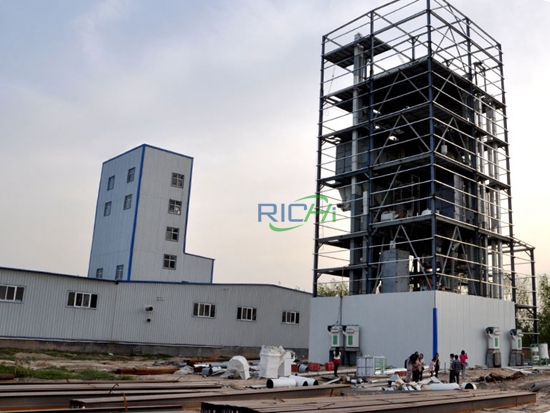
A modern floating fish feed production plant integrates advanced equipment and intelligent production systems to manufacture floating pellets with precise density control, excellent water stability, and high nutritional efficiency. By optimizing every stage of production, manufacturers can significantly improve feed quality and provide better solutions for fish farmers.
This article discusses the key methods for improving aquatic feed production quality, including raw material selection, formula optimization, processing technology, equipment management, quality control, and future development strategies.
1. Understand the Factors Affecting Aquatic Feed Quality
Before improving production quality, manufacturers must understand the major factors that influence aquatic feed performance.
The quality of aquatic feed is mainly affected by:
- Raw material quality
- Feed formulation
- Grinding efficiency
- Mixing uniformity
- Extrusion conditions
- Drying performance
- Pellet durability
- Storage conditions
Each stage of production has a direct impact on the final product.
For example:
- Poor-quality ingredients may reduce nutritional value.
- Uneven mixing can cause inconsistent nutrient distribution.
- Incorrect extrusion parameters may affect floating ability.
- Excess moisture can shorten storage life.
Therefore, improving feed quality requires a comprehensive approach covering the entire production process.
2. Select High-Quality Raw Materials
The foundation of high-quality aquatic feed is high-quality raw materials. Even with advanced processing equipment, poor ingredients cannot produce excellent feed.
A professional aquatic feed manufacturer should establish strict standards for ingredient selection.
Important factors include:
Nutritional Value
Raw materials should provide appropriate levels of:
- Protein
- Fat
- Energy
- Amino acids
- Vitamins
- Minerals
Protein sources such as fish meal, soybean meal, and other plant proteins should have good digestibility and nutritional balance.
Freshness and Safety
Ingredients should be tested for:
- Moisture content
- Microbial contamination
- Mycotoxins
- Impurities
Spoiled or contaminated materials can negatively affect fish health and reduce feed performance.
Stable Supply
Reliable suppliers ensure consistent ingredient quality and prevent fluctuations in feed production.
A well-managed floating fish feed production plant usually includes raw material inspection systems and proper storage facilities to maintain ingredient quality before processing.
3. Optimize Aquatic Feed Formulation
Feed formulation determines the nutritional performance of aquatic feed. Different fish species require different nutrient combinations, so manufacturers must develop formulas according to specific farming requirements.
A good feed formula should consider:
Fish Species
Different species have different dietary requirements.
For example:
- Tilapia requires balanced protein and energy.
- Carnivorous fish need higher-quality protein sources.
- Shrimp require excellent water stability and specific nutrients.
Growth Stage
Young fish require more protein and energy for rapid growth, while adult fish need balanced nutrition for efficient weight gain.
Farming Environment
Feed formulas may need adjustment according to:
- Water temperature
- Farming density
- Feeding system
- Production goals
Advanced feed manufacturers use nutritional software and laboratory analysis to optimize formulas and improve feed efficiency.
4. Improve Raw Material Grinding Efficiency
Grinding is an important step in aquatic feed production because particle size affects mixing quality, digestion, and pellet formation.
Proper grinding provides several benefits:
- Better nutrient utilization
- Improved extrusion performance
- More uniform pellets
- Higher feed digestibility
If particles are too large:
- Pellets may become uneven.
- Nutrients may not mix properly.
- Fish digestion efficiency may decrease.
If particles are too fine:
- Energy consumption increases.
- Production efficiency may decrease.
Therefore, manufacturers should select suitable grinding equipment and adjust particle size according to feed requirements.
A modern production facility uses efficient hammer mills or pulverizers to achieve consistent particle size before mixing.
5. Ensure Accurate and Uniform Mixing
Mixing quality directly affects the nutritional consistency of aquatic feed.
Every pellet should contain the correct proportion of ingredients. Uneven mixing can result in some pellets containing excessive nutrients while others lack essential components.
To improve mixing quality:
Use High-Performance Mixers
Industrial mixers should provide:
- Fast mixing speed
- High uniformity
- Low material residue
Control Mixing Time
Insufficient mixing causes uneven distribution, while excessive mixing may reduce efficiency.
Add Micro-Ingredients Properly
Vitamins, minerals, enzymes, and additives should be added carefully to ensure even distribution.
Accurate mixing is essential for producing consistent feed quality.
6. Optimize Extrusion Processing Technology
Extrusion is one of the most important processes in aquatic feed production. It determines pellet structure, digestibility, buoyancy, and water stability.
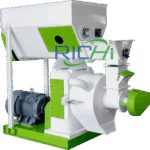
(Related machine: efficient wet type fish feed extruder)
A well-designed floating fish feed production plant uses advanced extrusion technology to control:
- Temperature
- Pressure
- Moisture
- Residence time
- Screw speed
Proper extrusion improves:
Floating Ability
Floating feed requires controlled density and internal structure. Optimized extrusion creates pellets that remain on the water surface for a suitable period.
Digestibility
Extrusion gelatinizes starch and improves nutrient availability.
Pellet Strength
Good extrusion conditions produce durable pellets that resist breaking during transportation and feeding.
Feed Safety
The high-temperature process helps reduce harmful microorganisms.
Manufacturers should regularly adjust extrusion parameters according to different formulas and pellet sizes.
7. Control Drying and Moisture Levels
After extrusion, aquatic feed pellets contain relatively high moisture and require drying.
Drying quality directly affects:
- Storage life
- Pellet stability
- Feed safety
Important drying factors include:
Proper Temperature Control
Excessive temperature may damage nutrients, while insufficient drying may cause mold growth.
Uniform Drying
Uneven moisture distribution can reduce product quality.
Final Moisture Management
Finished feed should maintain suitable moisture levels for long-term storage.
Modern drying systems use controlled airflow and temperature management to achieve consistent results.
8. Improve Oil Coating and Nutrient Preservation
Oil coating is often used after drying to increase energy content and improve feed performance.
It provides:
- Additional energy
- Better palatability
- Improved nutrient balance
To improve coating quality:
- Ensure uniform oil distribution.
- Use suitable coating equipment.
- Control oil quantity according to formula requirements.
Poor coating may result in uneven nutrition and reduced feed acceptance.
Advanced aquatic feed production systems use automatic spraying systems to achieve precise coating performance.
9. Implement Strict Quality Control Systems
Quality control is essential for maintaining stable aquatic feed production.
A professional feed manufacturer should establish inspection procedures throughout the production process.
Raw Material Testing
Check:
- Nutritional composition
- Moisture content
- Safety indicators
- Physical characteristics
Production Monitoring
Monitor:
- Grinding size
- Mixing uniformity
- Extrusion parameters
- Drying conditions
Finished Product Testing
Evaluate:
- Protein content
- Fat content
- Pellet size
- Water stability
- Floating performance
- Durability
Laboratory testing ensures that every batch meets quality standards.
10. Use Automation to Improve Production Stability
Automation plays an increasingly important role in improving aquatic feed production quality.
A modern floating fish feed production plant can integrate PLC control systems and intelligent monitoring technology.
Automation helps improve:
Production Accuracy
Automatic weighing and batching systems reduce human errors.
Process Stability
Control systems maintain consistent operating conditions.
Data Management
Production data can be recorded and analyzed for continuous improvement.
Labor Efficiency
Automation reduces manual operations and improves overall productivity.
For large-scale feed manufacturers, intelligent automation is an important way to achieve stable quality and competitive production costs.
11. Maintain and Upgrade Production Equipment
Equipment performance directly affects feed quality.
Regular maintenance helps prevent:
- Production interruptions
- Uneven processing
- Reduced efficiency
- Product quality problems
Important maintenance practices include:
Regular Inspection
Check key components such as:
- Extruder parts
- Motors
- Bearings
- Cutting systems
Replace Wear Parts
Worn components may affect pellet shape and processing stability.
Equipment Upgrades
New technologies can improve:
- Energy efficiency
- Production capacity
- Automation level
Well-maintained equipment ensures reliable long-term operation.
12. Train Skilled Operators and Production Teams
Even advanced equipment requires skilled operators to achieve the best performance.
Operators should understand:
- Production procedures
- Equipment adjustment
- Quality standards
- Troubleshooting methods
Professional training helps workers:
- Identify production problems quickly
- Optimize equipment settings
- Maintain consistent product quality
A knowledgeable production team is an important factor in maintaining high feed quality.
13. Improve Storage and Packaging Management
Maintaining feed quality does not end after production. Proper storage and packaging are essential for preserving product performance.
Good storage conditions require:
- Dry environment
- Proper ventilation
- Protection from contamination
- Controlled temperature
Packaging should protect feed from:
- Moisture
- Damage
- External contamination
High-quality packaging helps maintain feed freshness during transportation and storage.
14. Adopt Sustainable Production Practices
Modern aquatic feed manufacturers are increasingly focusing on sustainability.
Sustainable production methods include:
- Using alternative protein sources
- Reducing energy consumption
- Minimizing production waste
- Improving feed conversion efficiency
Better feed quality also supports sustainable aquaculture because efficient nutrition reduces waste discharge and improves resource utilization.
15. Future Trends in Improving Aquatic Feed Quality
The aquatic feed industry continues to develop with new technologies and innovations.
Future improvements may include:
Precision Nutrition
Advanced analysis methods will allow manufacturers to create highly customized formulas.
Intelligent Manufacturing
Artificial intelligence and automation will improve production monitoring and quality control.
Functional Feed Development
More feeds will include:
- Probiotics
- Immune enhancers
- Natural additives
Sustainable Ingredients
New protein sources will help reduce environmental pressure.
These trends will continue improving aquatic feed quality and supporting global aquaculture development.
Conclusion
Improving aquatic feed production quality requires a comprehensive approach that covers raw materials, formulation, processing technology, equipment management, and quality control. Every step, from ingredient selection to final packaging, affects the nutritional value, stability, and performance of aquatic feed.
A modern floating fish feed pellet plant provides the advanced technology needed to produce high-quality floating pellets with excellent digestibility, water stability, and feeding efficiency. By adopting scientific formulas, automated production systems, strict quality management, and continuous improvement strategies, feed manufacturers can better meet the needs of modern aquaculture.
As the global demand for aquatic products continues to grow, producing reliable and efficient aquatic feed will remain essential for improving fish farming productivity, reducing production costs, and achieving sustainable aquaculture development.