



Introduction: The Growing Demand for Processed Alfalfa Feed
Alfalfa has long been recognized as one of the most valuable forage crops because of its high protein content, excellent digestibility, and wide application in livestock nutrition. However, traditional methods of using fresh or baled alfalfa often create challenges related to transportation, storage, seasonal availability, and quality preservation.
With the development of modern agricultural processing technology, more farmers and feed producers are choosing pelletizing solutions to transform alfalfa into compact, stable, and easy-to-use feed products. Alfalfa pellets reduce material waste, improve storage conditions, and provide a consistent feeding option for dairy cattle, horses, sheep, rabbits, and other livestock.
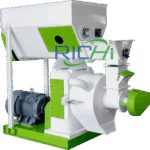
A professional alfalfa pellet machine for sale provides an efficient way to convert dried alfalfa into dense pellets with uniform size and improved handling characteristics. Compared with traditional forage processing methods, pellet production helps agricultural enterprises achieve higher utilization rates and create additional value from locally available resources.
Why Is Alfalfa Pellet Production Becoming More Popular?
The global livestock industry is continuously searching for feed solutions that are economical, nutritious, and environmentally sustainable. Alfalfa naturally meets many nutritional requirements, but raw alfalfa has several limitations.
First, loose hay occupies a large storage area and is easily affected by moisture, mold, and transportation difficulties. Second, inconsistent particle sizes may lead to uneven feeding efficiency. Third, long-distance transportation of traditional forage products can significantly increase operating costs.
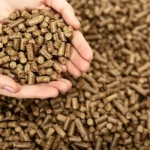
Pelletizing solves these problems by compressing alfalfa fibers into dense cylindrical particles. The process improves bulk density, reduces storage space, and allows producers to package and transport feed more conveniently.
For commercial farms and feed manufacturers, investing in an alfalfa pellet mill for sale can create a reliable production system that supports large-scale feed supply while maintaining nutritional value.
(Related Post: https://biomasspelletizer.com/lucerne-pellet-machine/)
Understanding the Complete Alfalfa Pellet Production Process
A successful alfalfa pellet production project usually involves several important processing stages. Each step affects the final pellet quality and production efficiency.
1. Raw Material Preparation
The first step is preparing suitable alfalfa material. Freshly harvested alfalfa generally needs to be dried before pelletizing because excessive moisture can affect pellet formation and equipment performance.
The ideal moisture content for pellet production is usually controlled within a suitable range to ensure strong bonding between particles. If the material is too dry, pellets may become fragile. If it contains too much moisture, production efficiency may decrease.
2. Crushing Process
Dried alfalfa is normally crushed into smaller particles. Proper particle size allows better compression during pellet formation and helps produce smooth pellets with higher density.
A hammer mill or similar crushing equipment is commonly used in industrial projects. The crushing system should be selected according to raw material conditions and expected production capacity.
3. Mixing and Conditioning
Before pelletizing, the crushed alfalfa can be mixed with other ingredients depending on the nutritional requirements of different animals.
Some producers combine alfalfa with grains, minerals, or other forage materials to create customized feed formulas. Conditioning may also improve pellet quality by adjusting moisture and temperature.
4. Pelletizing
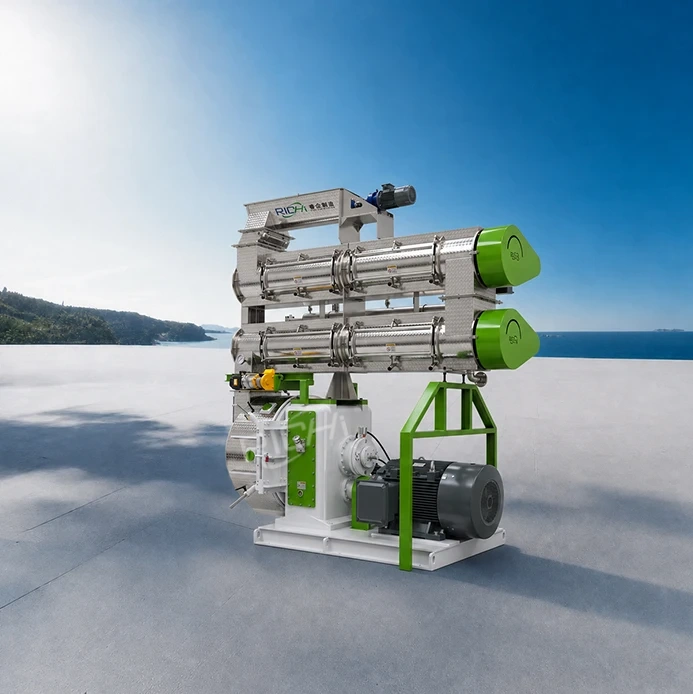
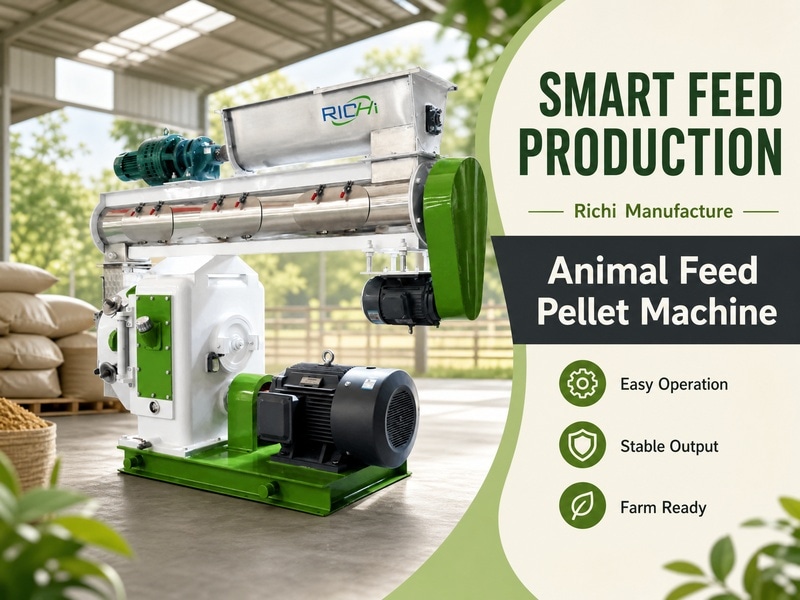
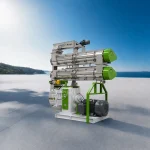
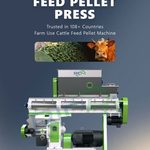
The pellet machine compresses prepared alfalfa material through a die under high pressure. The friction generated during compression helps form durable pellets.
Different farms and businesses may require different production capacities. For example, small farms may choose compact equipment, while commercial feed factories often require complete systems.

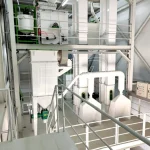
A complete 1-2 T/H alfalfa pellet production line for sale can meet the needs of medium-scale farms that want to process their own forage resources efficiently.
5. Cooling and Screening
Freshly produced pellets usually have higher temperatures and moisture levels. Cooling equipment helps stabilize pellet quality and improves storage performance.
After cooling, screening equipment removes broken pellets and fine particles, ensuring that only qualified products enter packaging or storage.
What Advantages Do Alfalfa Pellets Offer Livestock Producers?
Improved Feed Utilization
Pelletized alfalfa provides more consistent feeding compared with loose forage. Uniform pellet size makes it easier for animals to consume and reduces selective feeding behavior.
This is especially beneficial for dairy farms and livestock operations that need stable nutrition management.
Lower Storage and Transportation Costs
Because pellets have higher density than traditional hay, businesses can store more feed within limited space. Transportation efficiency is also improved because more usable feed can be delivered per shipment.
Better Quality Preservation
Properly produced alfalfa pellets are less affected by environmental conditions compared with loose forage. With suitable packaging and storage management, producers can maintain feed quality for longer periods.
Additional Business Opportunities
Agricultural companies can use pelletizing technology to develop new revenue streams. Instead of selling raw alfalfa, they can process it into higher-value products for livestock farms, distributors, and feed manufacturers.
How to Choose the Right Alfalfa Pellet Equipment?
Selecting suitable pellet equipment requires consideration of several factors, including raw material availability, production goals, energy consumption, and investment budget.
Production Capacity Requirements
Different customers have different output requirements.
Small agricultural operations may need several hundred kilograms per hour, while commercial feed companies may require several tons per hour.
Before purchasing equipment, businesses should evaluate current demand and future expansion plans.
Equipment Durability and Maintenance
A pellet machine operates under continuous pressure, so key components must have reliable wear resistance. High-quality dies, rollers, and transmission systems directly influence machine lifespan.
Working with an experienced manufacturer can help customers obtain better technical support and long-term service.
Complete Production Solutions
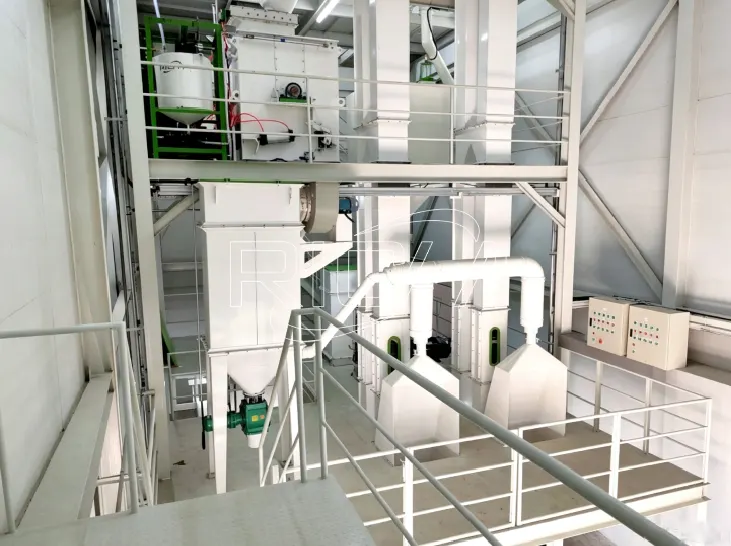
A single machine may be suitable for small applications, but larger projects often require a complete production line including crushing, drying, pelletizing, cooling, screening, and packing systems.
Professional suppliers can provide customized solutions based on different raw materials and factory conditions.
Many investors prefer working with experienced companies such as Richi Machinery because complete engineering support can simplify project planning, installation, and operation.
The Role of Technology in Future Alfalfa Pellet Production
Agricultural processing is becoming increasingly automated. Modern pellet plants are adopting intelligent control systems, energy-saving designs, and improved manufacturing technologies.
Automation helps reduce labor requirements and allows operators to monitor production parameters more accurately. Digital management systems can also improve production records and maintenance planning.
In addition, sustainability is becoming an important factor in agricultural investment decisions. Efficient pelletizing technology helps maximize the value of renewable forage resources and reduce agricultural waste.
Companies looking for reliable equipment solutions can discover this info here to learn more about advanced pellet processing technologies and industry applications.
Common Challenges in Alfalfa Pellet Manufacturing
Although alfalfa pellet production offers many advantages, manufacturers should also pay attention to several practical issues.
Moisture Control
Incorrect moisture levels are one of the most common reasons for poor pellet quality. Regular testing and proper drying systems are essential.
Raw Material Consistency
Different harvesting seasons may create variations in alfalfa characteristics. Adjusting processing parameters according to material conditions helps maintain stable output.
Equipment Configuration
Using unsuitable equipment may result in lower efficiency, higher maintenance costs, and inconsistent pellet quality. A professional project assessment before investment can reduce these risks.
Why Is Professional Support Important for Pellet Projects?
Building an alfalfa pellet production facility requires more than purchasing a machine. Successful projects involve process design, equipment selection, installation guidance, and technical training.
Experienced manufacturers can analyze customer requirements and recommend appropriate configurations. They can also provide support during operation to help customers achieve stable production.
For businesses entering the forage pellet market, professional guidance can significantly reduce trial-and-error costs and improve investment returns.
Conclusion: Turning Alfalfa Resources Into Higher Value Products
Alfalfa pellet production represents an effective combination of agriculture and modern processing technology. By transforming traditional forage into compact pellets, producers can improve storage efficiency, reduce transportation challenges, and provide more consistent feed solutions.
Whether for livestock farms, feed companies, or agricultural investors, choosing the right pelletizing system is essential for achieving long-term success.
With increasing demand for high-quality animal feed and sustainable agricultural solutions, alfalfa pellet processing will continue to play an important role in the future of the global feed industry. Businesses that invest in reliable technology and professional production solutions can create greater value from existing forage resources.