As the global demand for renewable energy continues to rise, biomass pelletizing has become an increasingly important technology for converting organic waste into clean and sustainable fuel. Biomass pellets are widely used in residential heating systems, industrial boilers, power plants, and combined heat and power facilities. Their high energy density, ease of transportation, and efficient combustion make them a valuable alternative to fossil fuels.
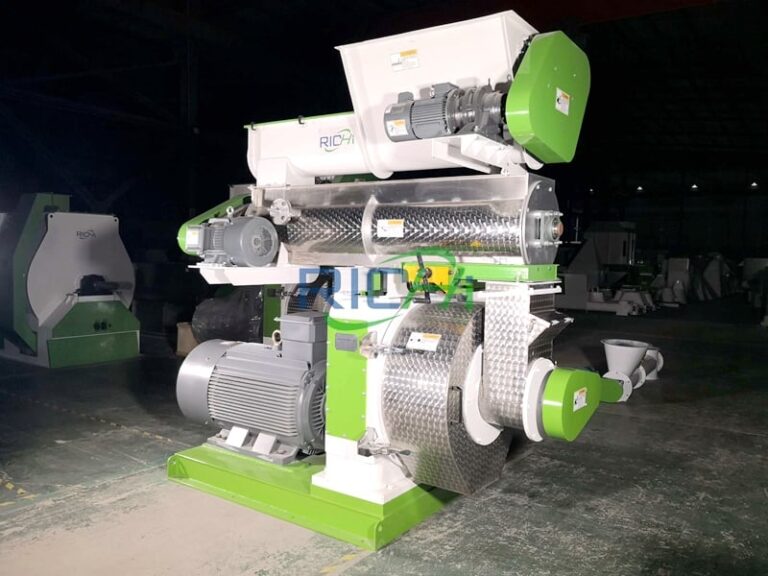
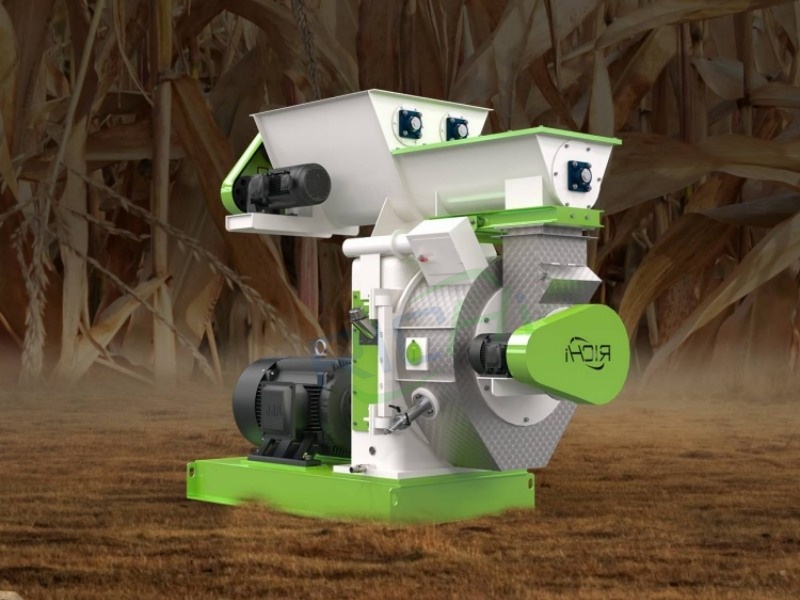
One of the most important factors influencing pellet quality and production efficiency is the selection of raw materials. Not all biomass materials perform equally during pelletizing. Moisture content, fiber structure, lignin content, ash levels, and particle size all affect the final pellet quality. Modern equipment such as the vertical biomass pellet machine is capable of processing a wide range of biomass materials, but understanding the characteristics of each feedstock remains essential for successful production.
This article explores the various materials suitable for biomass pelletizing, their advantages, challenges, and their role in renewable energy production.
Understanding Biomass Pelletizing
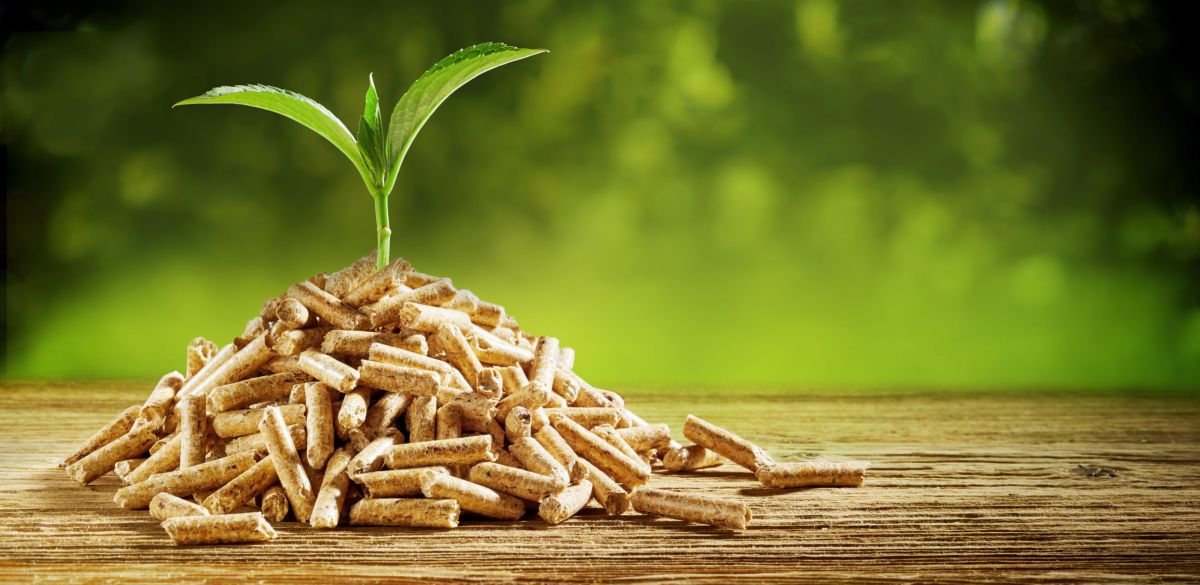
Biomass pelletizing is the process of compressing finely ground organic materials into small cylindrical pellets under high pressure. During pellet formation, natural binders such as lignin soften and help hold particles together, producing durable pellets without the need for chemical additives.
The typical pelletizing process includes:
- Raw material collection
- Drying
- Crushing or grinding
- Pelletizing
- Cooling
- Screening
- Packaging
The success of each step depends largely on the properties of the chosen raw material.
Characteristics of Suitable Biomass Materials
Not every biomass resource is equally suitable for pellet production. The best materials generally possess several important characteristics:
Adequate Lignin Content
Lignin acts as a natural binder during pelletizing. Materials with higher lignin content typically produce stronger and more durable pellets.
Proper Moisture Content
Excessive moisture reduces pellet quality and production efficiency. Most materials require drying to approximately 10–15% moisture before pelletizing.
Low Ash Content
Materials with lower ash content generate less residue during combustion and are often preferred for premium fuel pellets.
Consistent Particle Size
Uniform particles improve pellet density and reduce equipment wear.
Good Availability
Abundant and sustainable biomass resources support long-term pellet production and economic viability.
Wood Residues
Wood residues are among the most widely used raw materials for biomass pellet production.
Common sources include:
- Sawdust
- Wood shavings
- Wood chips
- Planer shavings
- Furniture manufacturing waste
Wood possesses several advantages:
- High lignin content
- Low ash levels
- Excellent pellet durability
- High calorific value
Softwoods such as pine and spruce often contain higher levels of natural resins and lignin, making them especially suitable for pellet production.
Hardwoods such as oak, maple, and beech also produce high-quality pellets but may require slightly different processing conditions.
Many commercial pellet plants rely primarily on wood residues because they consistently produce premium-grade biomass pellets.
Sawdust
Sawdust deserves special attention as one of the most ideal pelletizing materials.
Advantages include:
- Fine particle size
- Minimal grinding requirements
- High compressibility
- Consistent quality
Because sawdust is already generated as a by-product of sawmills and woodworking operations, it offers an economical feedstock source for pellet manufacturers.
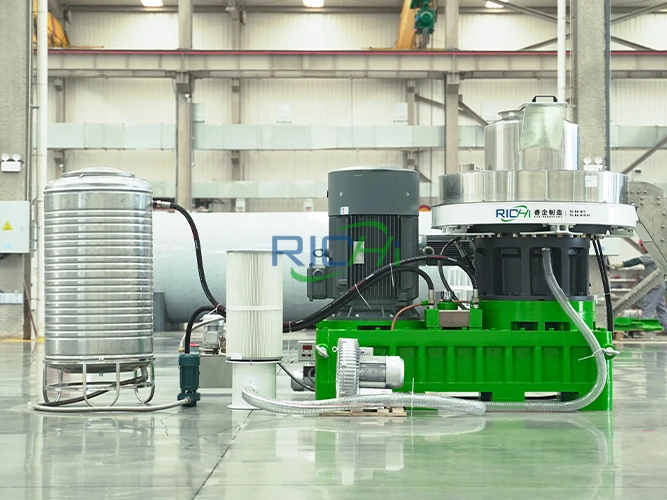
The vertical biomass pellet machine is particularly effective at processing sawdust due to its uniform particle structure and favorable binding characteristics.
Wood Chips
Wood chips are another common biomass resource.
Before pelletizing, wood chips typically require:
- Size reduction
- Moisture adjustment
- Screening
Although additional processing is necessary compared with sawdust, wood chips remain a valuable feedstock due to their widespread availability and high energy content.
Forestry Residues
Forestry operations generate large quantities of biomass residues, including:
- Tree tops
- Branches
- Bark
- Thinning materials
- Logging debris
These materials often remain unused in forests after harvesting operations.
Pelletizing forestry residues helps:
- Reduce waste
- Improve forest management
- Lower wildfire risks
- Generate renewable energy
Forestry residues can produce quality pellets when properly processed and blended.
Agricultural Straw
Agricultural straw is one of the most abundant biomass resources worldwide.
Common straw materials include:
- Wheat straw
- Rice straw
- Barley straw
- Oat straw
- Rye straw
Straw offers several advantages:
- Wide availability
- Low cost
- Renewable supply
- Significant energy potential
However, straw also presents challenges:
- Higher ash content
- Silica accumulation
- Lower bulk density
- Seasonal availability
Advanced pelletizing equipment such as a vertical biomass pellet machine can effectively process straw materials when proper pretreatment procedures are followed.
https://pelletisingmachine.com/vertical-biomass-pellet-mill
Wheat Straw
Wheat straw is widely used for biomass pellet production in agricultural regions.
Benefits include:
- Large annual supply
- Good pellet-forming characteristics
- Reduced agricultural waste
Wheat straw pellets are commonly used in industrial boilers and biomass power plants.
The utilization of wheat straw helps reduce open-field burning and supports sustainable agricultural practices.
Rice Straw
Rice-producing countries generate enormous quantities of rice straw every year.
Traditionally, rice straw disposal has presented environmental challenges due to open burning practices.
Pelletizing rice straw offers several benefits:
- Waste reduction
- Renewable fuel generation
- Improved air quality
- Additional farmer income
Because rice straw contains relatively high silica levels, pellet manufacturers must carefully manage equipment wear and combustion systems.
Corn Stalks and Corn Residues
Corn production generates substantial amounts of biomass residues.
Suitable materials include:
- Corn stalks
- Corn cobs
- Corn husks
- Corn leaves
Corn residues possess considerable energy value and can be successfully pelletized after proper drying and grinding.
The conversion of corn waste into pellets creates additional economic value from existing agricultural activities.
Sugarcane Bagasse
Sugarcane bagasse is the fibrous residue left after juice extraction.
It is widely available in sugar-producing regions and offers several advantages:
- High annual production volume
- Good energy content
- Renewable supply
- Existing collection infrastructure
Bagasse pellets are commonly used in industrial energy systems and biomass power generation.
Many sugar mills integrate pellet production into their operations to maximize resource utilization.
Palm Biomass
The palm oil industry generates substantial quantities of biomass residues.
Common palm materials include:
- Palm fiber
- Empty fruit bunches
- Palm kernel shells
- Palm trunks
- Palm fronds
Palm biomass represents an important renewable energy resource in tropical regions.
After proper processing, these materials can be converted into durable biomass pellets suitable for industrial fuel applications.
Bamboo
Bamboo has gained increasing attention as a biomass feedstock due to its rapid growth and high productivity.
Advantages include:
- Fast regeneration
- High biomass yield
- Good fiber structure
- Sustainable cultivation
Bamboo pellets offer excellent energy density and can serve as a renewable alternative to traditional wood pellets.
In many Asian countries, bamboo plantations provide a stable source of pellet raw materials. (Learn more about efficient bamboo pellet machine)
Energy Crops
Dedicated energy crops are specifically grown for biomass production.
Examples include:
- Switchgrass
- Miscanthus
- Napier grass
- Reed canary grass
- Sorghum
These crops are attractive because they:
- Produce high yields
- Require relatively low inputs
- Grow on marginal land
- Support renewable energy production
Energy crop pellets are increasingly being used in commercial biomass energy projects.
Miscanthus
Miscanthus is one of the most promising energy crops for pellet production.
Its benefits include:
- Exceptional biomass yields
- Low fertilizer requirements
- High carbon sequestration potential
- Strong environmental performance
Miscanthus pellets can provide a reliable and sustainable fuel source for industrial users.
Switchgrass
Switchgrass is another widely studied energy crop.
Advantages include:
- Drought tolerance
- Long lifespan
- Adaptability to various climates
- High biomass productivity
Switchgrass pellets contribute to renewable energy goals while supporting soil conservation and sustainable land management.
Nut Shells
Various agricultural processing industries generate large quantities of shells suitable for pelletizing.
Examples include:
- Peanut shells
- Almond shells
- Walnut shells
- Hazelnut shells
- Pistachio shells
Nut shells typically offer:
- High calorific value
- Low moisture content
- Good pellet durability
These characteristics make them attractive feedstocks for biomass fuel production.
Coffee Waste
Coffee-producing regions generate significant volumes of coffee processing residues.
Suitable materials include:
- Coffee husks
- Coffee parchment
- Coffee pulp
Pelletizing coffee waste helps reduce disposal problems while creating renewable energy products.
In some regions, coffee waste pellets are used for both industrial heating and residential applications.
Cotton Stalks
Cotton farming generates large quantities of stalk residues after harvest.
Rather than burning or discarding these materials, pelletizing provides an environmentally friendly utilization method.
Cotton stalk pellets can be used in:
- Industrial boilers
- Biomass power plants
- Commercial heating systems
This contributes to agricultural waste management and renewable energy production simultaneously.
Sunflower Husks
Sunflower processing produces large quantities of husks with favorable pelletizing properties.
Advantages include:
- High energy content
- Good pellet durability
- Low moisture requirements
- Widespread availability in agricultural regions
Sunflower husk pellets are increasingly popular in both domestic and industrial energy markets.
Challenges of Different Biomass Materials
Although many materials are suitable for pelletizing, each presents unique challenges.
Common issues include:
High Moisture Content
Materials with excessive moisture require additional drying, increasing production costs.
High Ash Levels
Agricultural residues often contain more ash than wood-based materials.
Abrasive Components
Silica-rich materials such as rice straw can increase equipment wear.
Variable Quality
Seasonal and geographic factors may affect feedstock consistency.
Storage Difficulties
Some materials deteriorate rapidly if stored improperly.
Successful pellet production requires careful feedstock management and appropriate equipment selection.
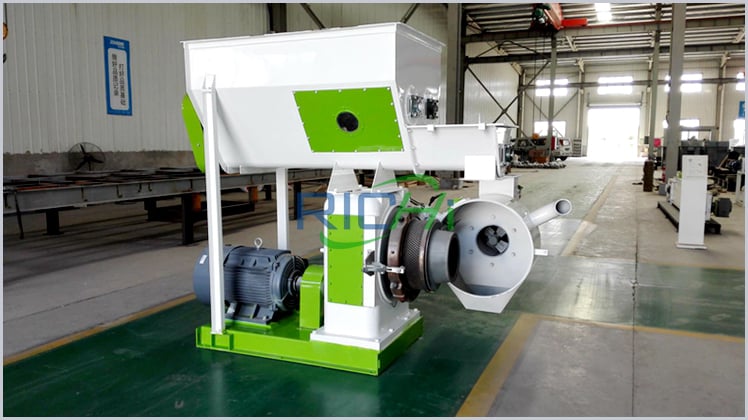
The Importance of the Vertical Biomass Pellet Machine
The diversity of biomass feedstocks has increased demand for versatile pelletizing equipment.
The vertical biomass pellet machine offers several advantages when processing different biomass materials:
Flexible Feedstock Handling
It can process a wide range of agricultural and forestry residues.
Stable Production Performance
The vertical design promotes smooth material flow and consistent pellet formation.
Improved Pellet Quality
Uniform compression produces dense and durable pellets.
Lower Maintenance Costs
Efficient design reduces wear and extends component life.
High Production Efficiency
The machine can maintain stable output even when processing challenging materials.
These benefits make the vertical biomass pellet machine a preferred solution for many commercial biomass pellet producers.
Future Trends in Biomass Feedstock Utilization
As renewable energy demand continues to grow, biomass feedstock diversification is expected to increase.
Future developments may include:
- Improved feedstock preprocessing
- Better biomass storage technologies
- Enhanced pelletizing equipment
- Expanded use of agricultural residues
- Greater integration of energy crops
Technological advances will enable manufacturers to utilize a broader range of biomass resources while maintaining pellet quality and production efficiency. (Going Here)
Conclusion
A wide variety of materials are suitable for biomass pelletizing, including wood residues, agricultural straw, forestry waste, energy crops, palm biomass, bamboo, nut shells, and numerous agricultural by-products. Each feedstock offers unique advantages and challenges, but all contribute to the production of renewable and sustainable energy.
Selecting appropriate raw materials is essential for achieving high pellet quality, efficient production, and economic viability. With advanced equipment such as the vertical biomass pellet machine, manufacturers can successfully process diverse biomass resources and transform them into valuable fuel products.
As the world continues to pursue cleaner energy solutions, biomass pelletizing will remain a vital technology for converting renewable organic materials into efficient, environmentally friendly fuel, supporting both sustainable development and global renewable energy goals.