







1. Global Demand for Clean Biomass Energy
As global energy consumption continues to rise, the need for cleaner, more sustainable fuel alternatives has become increasingly urgent. Governments and industries around the world are actively reducing reliance on coal, oil, and natural gas due to environmental concerns and carbon emission regulations.
In this context, biomass energy has emerged as one of the most promising renewable energy sources. Among all biomass materials, bamboo and agricultural residues such as sugarcane bagasse are particularly valuable due to their abundance, renewability, and high energy output.
At the core of this transformation is the Bamboo Biomass Pellet Machine, a highly efficient system designed to convert raw bamboo into high-density fuel pellets for industrial and commercial use.
2. What Is a Bamboo Biomass Pellet Machine?
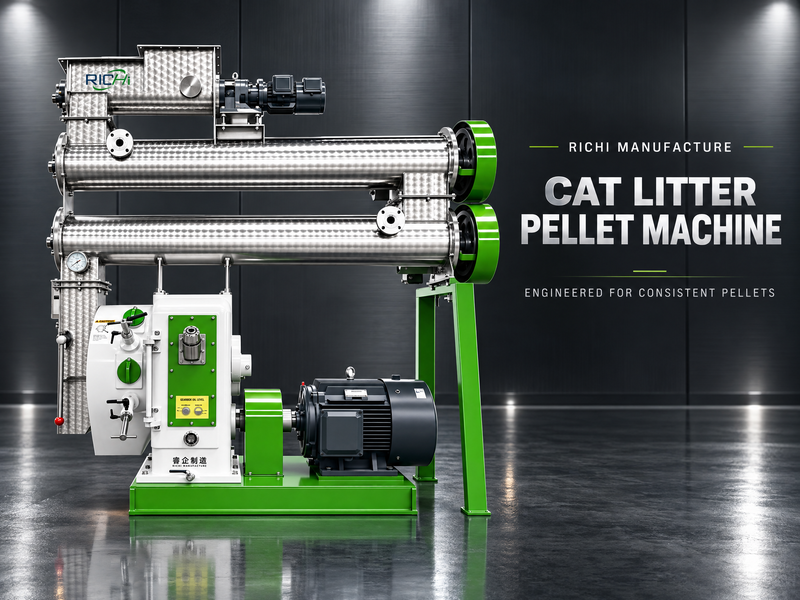
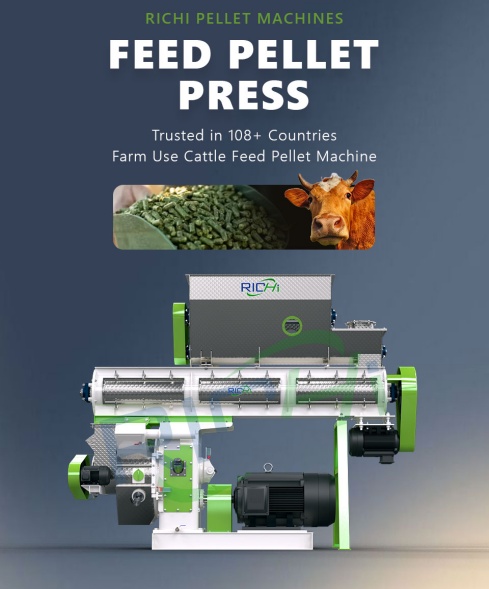
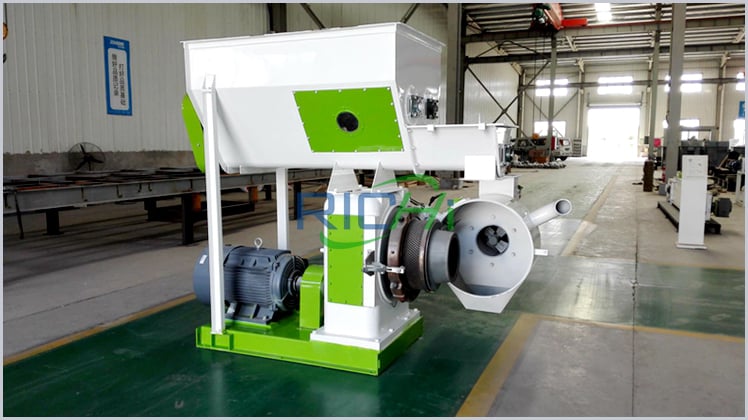
A Bamboo Biomass Pellet Machine is an industrial-grade machine used to compress bamboo fibers, powder, or crushed particles into solid cylindrical pellets. These pellets are widely used as fuel in boilers, heating systems, and power generation facilities.
The machine works through mechanical compression using rollers and a die. During operation, bamboo material is fed into the chamber, where it is subjected to high pressure and frictional heat. This process activates the natural lignin inside bamboo, which acts as a binding agent without the need for chemical additives.
Key characteristics include:
- Continuous high-capacity operation
- Stable pellet formation
- Low energy consumption
- High durability under industrial load
This makes it an essential component in modern biomass fuel production systems.
3. Integration With Bagasse Processing Systems
In real industrial applications, bamboo is often combined with other biomass materials to ensure stable production and reduce raw material costs.
One common configuration is the use of a small bagasse pellet machine, which allows producers to process sugarcane waste alongside bamboo materials.
This integration provides several advantages:
- Flexible raw material utilization
- Reduced dependency on a single feedstock
- Lower operational risk
- Improved production continuity
By combining bamboo and bagasse, factories can maintain stable output throughout the year, even when one material is seasonally unavailable.
4. Role of Pellet Machine in Industrial Production
The core of any biomass production system is the pellet machine, which determines the final quality of fuel pellets.
A high-performance pellet machine ensures:
- Uniform pellet size
- High density and hardness
- Low dust content
- Stable combustion performance
Modern pellet machines are engineered with advanced control systems to maintain consistent pressure, temperature, and output speed.
This ensures that bamboo biomass pellets meet industrial fuel standards required by global markets.
5. Structure of a Biomass Pellet Production Line
A complete bamboo biomass pellet production system includes multiple integrated sections:
5.1 Crushing Section
Raw bamboo is broken down into small particles using crushers or hammer mills.
5.2 Drying Section
Moisture content is reduced to optimal levels (typically 10–15%) for efficient pellet formation.
5.3 Pelletizing Section
The Bamboo Biomass Pellet Machine compresses processed material into dense pellets.
5.4 Cooling Section
Fresh pellets are cooled to improve structural stability and hardness.
5.5 Packaging Section
Final pellets are packed for storage, transportation, or export.
Each stage is essential to ensure product consistency and quality.
6. Industrial Applications of Bamboo Pellets
Bamboo biomass pellets are widely used in various industries due to their clean combustion and high energy efficiency.
6.1 Industrial Boilers
Factories use bamboo pellets to generate steam and heat.
6.2 Power Generation Plants
Biomass power plants use pellets as a renewable fuel source.
6.3 Cement Industry
Cement kilns use biomass fuel to reduce coal consumption.
6.4 Export Markets
High-quality pellets are exported to Europe, Japan, and South Korea.
7. Importance of Small and Medium-Scale Systems
Not all biomass projects require large-scale industrial plants. Many businesses start with compact systems that offer flexibility and lower investment costs.
A small bagasse pellet machine is often used in combination with bamboo systems to allow small and medium enterprises to enter the biomass fuel market.
Advantages include:
- Lower initial investment
- Easier installation
- Flexible production capacity
- Reduced operational complexity
This makes biomass production accessible to a wider range of investors.
8. Equipment Selection and Engineering Considerations
Choosing the right equipment is critical for long-term production success. Factors to consider include:
- Raw material type and hardness
- Moisture content range
- Target production capacity
- Energy consumption efficiency
- Maintenance requirements
High-quality pellet machines are designed with hardened alloy dies and precision rollers to ensure durability and performance stability.
Investors often rely on technical resources such as a check my source platform where detailed engineering data, case studies, and production videos are available.
9. Advantages of Bamboo Biomass Fuel
Bamboo-based fuel systems offer several important advantages compared to traditional fossil fuels:
9.1 Environmental Benefits
- Low carbon emissions
- Reduced air pollution
- Renewable resource cycle
9.2 Economic Benefits
- Low raw material cost
- Strong global demand
- Stable long-term profitability
9.3 Operational Benefits
- High automation potential
- Stable combustion performance
- Easy raw material sourcing
These advantages make bamboo pellets an increasingly popular energy solution worldwide.
10. Role of Pellet Machine Technology
The efficiency of biomass production depends heavily on the performance of the pellet machine.
Modern systems are designed with:
- Intelligent temperature control
- Automatic lubrication systems
- High-pressure compression units
- Wear-resistant components
These features ensure continuous industrial operation with minimal downtime.
A well-designed pellet machine significantly improves production efficiency and reduces maintenance costs.
11. Market Expansion and Global Demand
The global biomass pellet market is expanding rapidly due to:
- Increasing environmental regulations
- Rising fossil fuel prices
- Government renewable energy incentives
- Industrial decarbonization goals
Bamboo biomass systems are expected to play a major role in meeting this growing demand due to their sustainability and scalability.
12. Learning and Technical Resources
Before investing in a biomass production system, it is essential to understand technical principles and system design.
Many manufacturers provide detailed documentation, including an explanation of machine structure, production flow, and operational requirements.
This helps investors:
- Reduce investment risks
- Optimize system configuration
- Improve production efficiency
13. System Flexibility and Multi-Material Use
Modern biomass production systems are designed for flexibility. Bamboo can be processed alongside other materials such as bagasse, sawdust, and agricultural waste.
This flexibility allows producers to:
- Adapt to raw material availability
- Reduce production costs
- Expand product types
14. Conclusion
The Bamboo Biomass Pellet Machine is a core component of modern renewable energy systems. When combined with supporting equipment such as a small bagasse pellet machine, advanced pellet machine systems, and optimized production lines, it forms a highly efficient and sustainable energy solution.
With global demand for clean energy increasing rapidly, bamboo biomass pellet systems are becoming a key driver in the future of industrial fuel production.
Related Post:https://pelletizerequipment.com/biomass-pellet-machine/