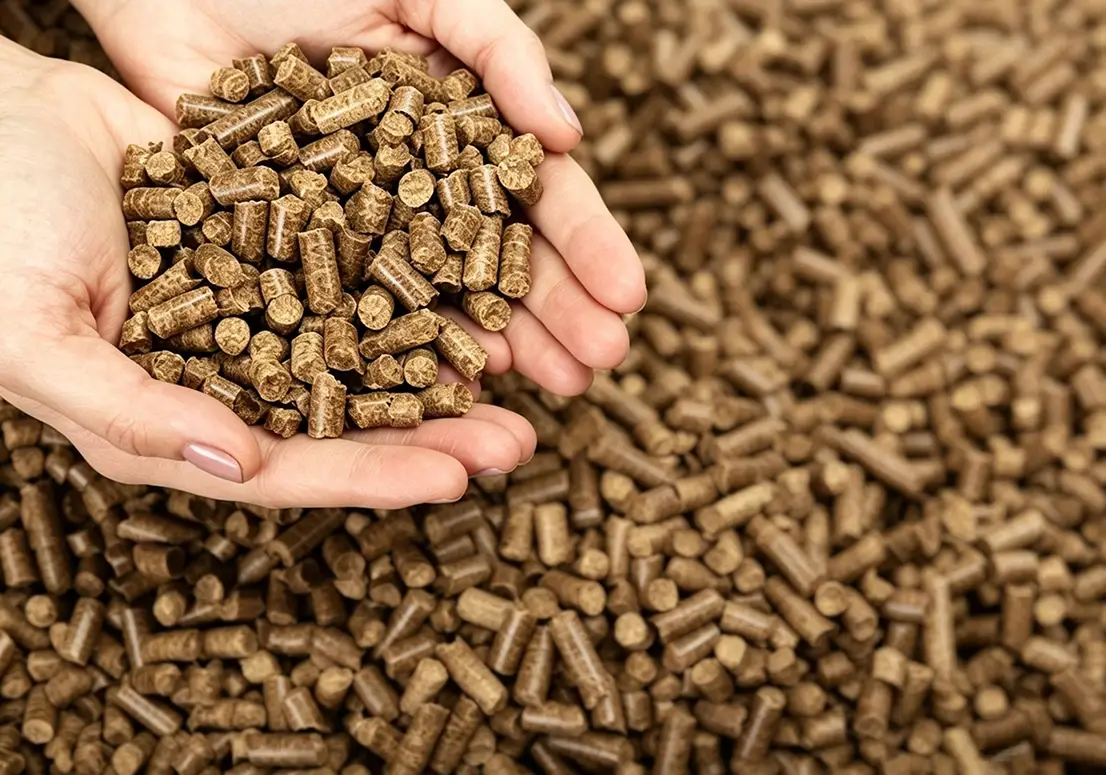


Alfalfa is widely used as a forage crop because of its nutritional value, but loose alfalfa can be bulky and difficult to handle efficiently. Pelletizing can turn prepared alfalfa into a denser and more uniform feed product that is easier to store, transport, and handle.
When looking for an alfalfa pellet machine for sale, buyers should consider more than the machine’s stated capacity. Raw material moisture, particle size, pellet diameter, production requirements, and the complete equipment configuration all affect the final setup.
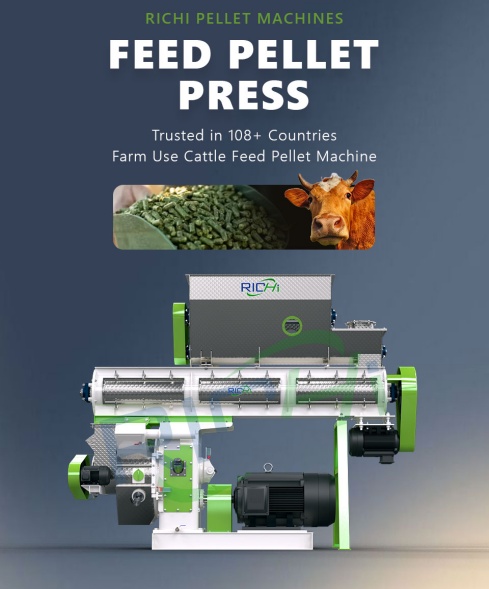
Understanding Alfalfa Before Pelletizing
Freshly harvested alfalfa can contain a high level of moisture, while properly dried alfalfa is much more suitable for pellet production.
The condition of the material also depends on whether the project uses fresh-cut alfalfa, dried hay, alfalfa meal, or a mixture of forage materials.
These differences determine how much preparation is needed before pelletizing.
A project using already dried and ground alfalfa may require a relatively simple production process, while fresh alfalfa can require additional drying and size reduction equipment.
Grinding and Material Preparation
Alfalfa should normally be processed into a suitable particle size before entering the pellet mill.
A hammer mill can reduce larger pieces and produce a more uniform material. Proper grinding helps improve feeding and allows the material to pass more consistently through the die.
If the project processes other forage materials together with alfalfa, the grinding system should be selected according to the characteristics of the complete raw material mixture.
For example, a 5T/H grass pellet machine for sale may be considered for projects that process grass or other forage materials, but the final equipment configuration should still be based on the actual feedstock.
Moisture Management
Moisture is one of the most important factors in alfalfa pellet production.
Fresh alfalfa can contain substantial moisture, so drying may be required before pelletizing. A rotary dryer can continuously reduce moisture when the raw material is too wet for stable pellet formation.
On the other hand, excessively dry material can also affect pellet formation and increase dust during handling.
The ideal processing conditions should therefore be determined through raw material testing rather than relying on a fixed moisture assumption.
Pelletizing Process
After grinding and moisture adjustment, the prepared alfalfa is fed into the pellet mill.
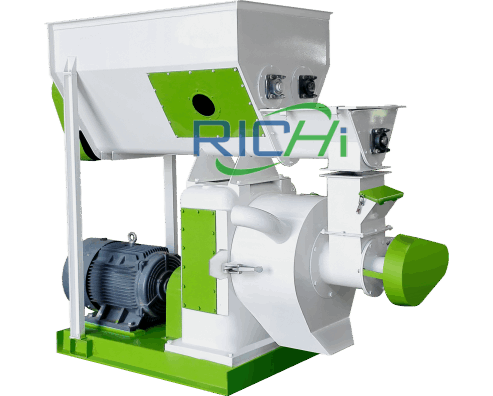
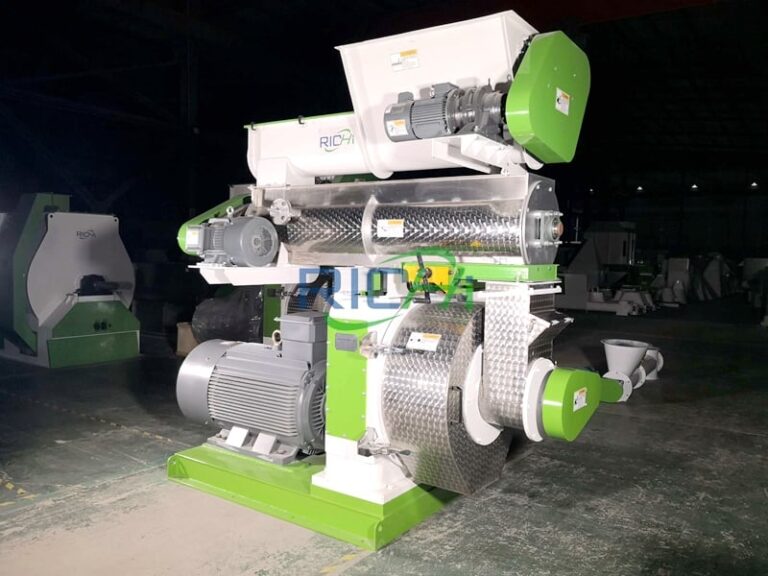
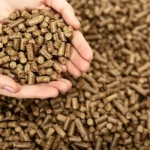
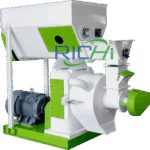
Inside the machine, rollers compress the material against a die. The pressure forces the alfalfa through the die holes and forms cylindrical pellets.
The selected die determines the approximate pellet diameter.
Production capacity depends on several factors, including raw material condition, moisture, particle size, pellet diameter, equipment configuration, and operating conditions.
For commercial production, the pelletizing section should be properly matched with the feeding and grinding systems.
Cooling and Screening
Fresh alfalfa pellets normally leave the pellet mill with heat generated by compression and friction.
A cooler can reduce the pellet temperature before storage and help stabilize the finished product.
Screening is then used to remove loose fines and undersized pellets.
Depending on the production system, suitable fines can be returned to the pelletizing section, helping reduce material waste.
These downstream processes become increasingly important as production capacity increases.
What to Check When Buying Equipment
When comparing a pellet mill for sale, buyers should review the complete specifications instead of looking only at the advertised output.
Important factors include:
- Production capacity
- Main motor power
- Suitable raw material moisture
- Pellet diameter
- Die configuration
- Feeding system
- Required grinding equipment
- Cooling system
- Screening system
- Spare parts availability
The machine should also be matched with the customer’s planned operating hours and available raw material supply.
Complete Production Line or Individual Machine?
A business that already owns a suitable hammer mill, dryer, or conveying system may only need to purchase the pelletizing section.
For a new project starting with raw alfalfa, however, a complete production line may provide better process integration.
A typical production flow can include:
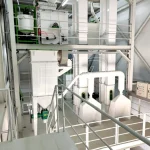
Alfalfa receiving → grinding → drying when necessary → pelletizing → cooling → screening → storage or packing
The exact configuration can be simplified or expanded according to the raw material and production target.
Applications of Alfalfa Pellets
Alfalfa pellets are commonly used as a convenient form of forage feed.
Compared with loose forage, pellets generally occupy less storage volume and can be handled using mechanical feeding systems.
They can be used in livestock feeding programs where a concentrated and consistently sized forage product is required. The final nutritional characteristics depend on the alfalfa variety, harvesting conditions, processing method, and formulation.
Planning Before Purchase
Before requesting an equipment quotation, buyers should prepare information about:
- Alfalfa form
- Initial moisture content
- Daily raw material availability
- Required production capacity
- Target pellet diameter
- Existing equipment
- Electricity conditions
- Storage requirements
- Packaging method
This information allows the equipment configuration to be designed around actual production conditions.
Choosing an alfalfa pellet machine should therefore be treated as a complete process-planning decision rather than simply selecting a machine from a product list. Proper grinding, moisture control, pelletizing, cooling, and screening all contribute to stable production.
For more information about forage pellet equipment and production configurations, read more before finalizing the equipment selection.
Related Post: https://pelletizerequipment.com/hay-pellet-machine-for-sale/