

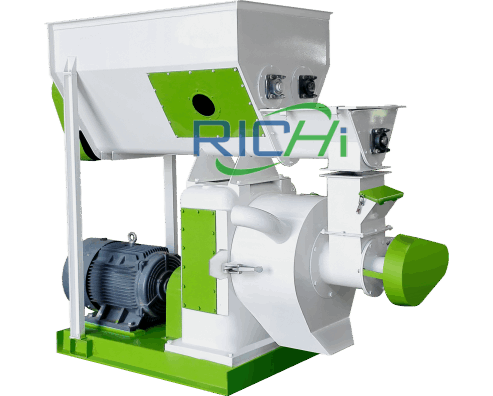
Buying a pellet mill is not like buying a new truck or a piece of land. It’s a decision that affects your operation for years. The machine you choose determines what you can produce, how much you can produce, and how much it costs to keep running. Get it right, and it becomes the most valuable piece of equipment on your site. Get it wrong, and it becomes a source of frustration, downtime, and unexpected expenses.
The problem is that most buyers don’t know what questions to ask. They see a machine advertised online, compare prices, and make a decision based on the number on the screen. That’s a mistake. The price is only one factor among many. What matters more is whether the machine fits your material, your production goals, and your budget for the long haul.
Start With Your Material
Before you look at a single machine, you need to understand what you’re going to feed it. Sawdust is not a uniform product. It varies by species, by particle size, by moisture content, and by the presence of contaminants.
Hardwood sawdust behaves differently than softwood. Fine dust from a sander pellets differently than coarse shavings from a planer. Sawdust from green lumber contains too much moisture for effective pelleting and will need drying. Sawdust that’s been stored outside may contain grit or debris that accelerates die wear.
The sawdust pellet mill for sale that works for one operation may not work for another. A machine that’s designed for dry, fine sawdust may struggle with wet, coarse material. A machine that handles softwood may wear out quickly on abrasive hardwood.
The first step is to test your material. Find out its moisture content, its particle size distribution, and its abrasiveness. Share that information with equipment suppliers. A reputable supplier will use it to recommend the right die configuration and the right machine size.
Think About Capacity—But Not Just the Number
Capacity is usually the first specification buyers look at. It’s expressed in kilograms per hour or tons per hour. A bigger number sounds better. But bigger isn’t always better.
The right capacity depends on your production goals. If you’re producing pellets for your own heating system, you might need a few hundred kilograms per day. If you’re selling pellets commercially, you might need several tons per hour.
Under-sizing a machine means running it constantly, which leads to premature wear and higher maintenance costs. Over-sizing means paying for capacity you don’t use, which ties up capital and increases your electricity bill per ton of actual output.
There’s also the question of how the capacity is measured. A machine rated at 1,000 kilograms per hour might achieve that rate with dry, ideal material. With wet or difficult material, the actual output could be much lower. It’s worth asking suppliers about real-world performance, not just the theoretical maximum.
An automatic biomass pellet machine adds another dimension. Automation reduces labor requirements and improves consistency, but it also adds to the initial cost. For some operations, the labor savings justify the investment. For others, a manual machine is sufficient.
The Die Is the Heart of the Machine
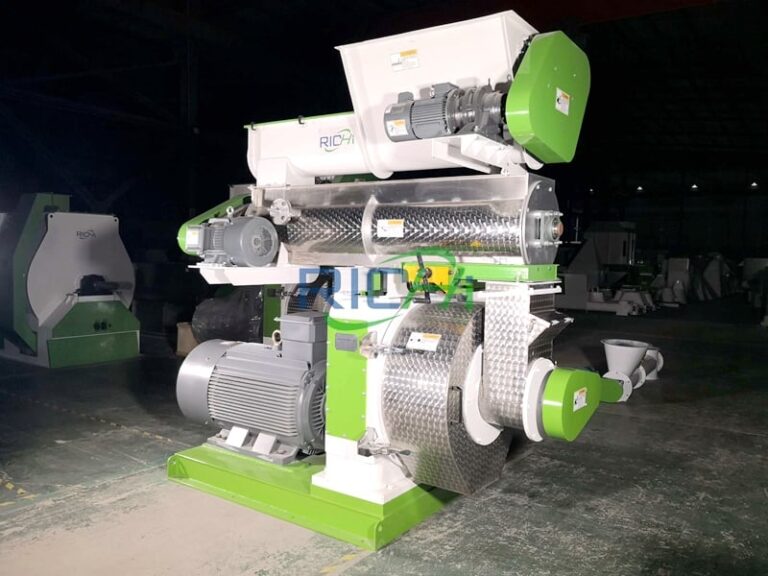
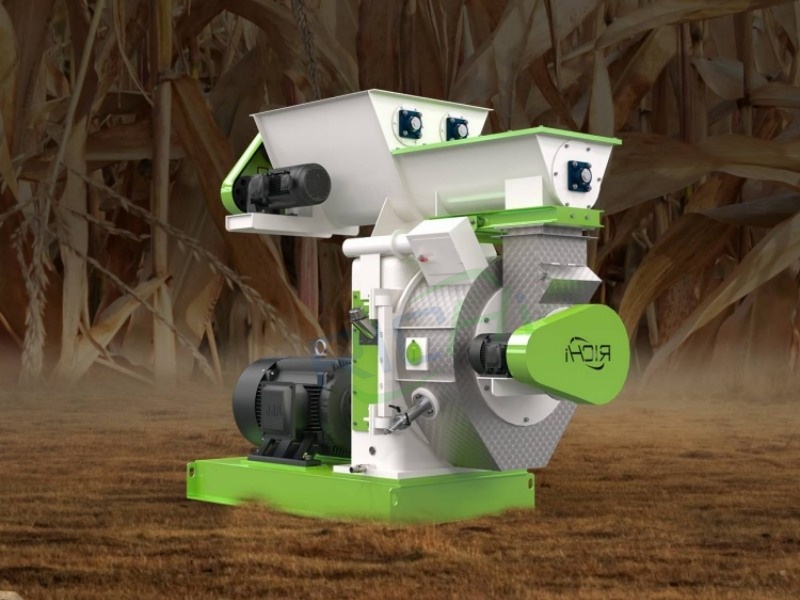
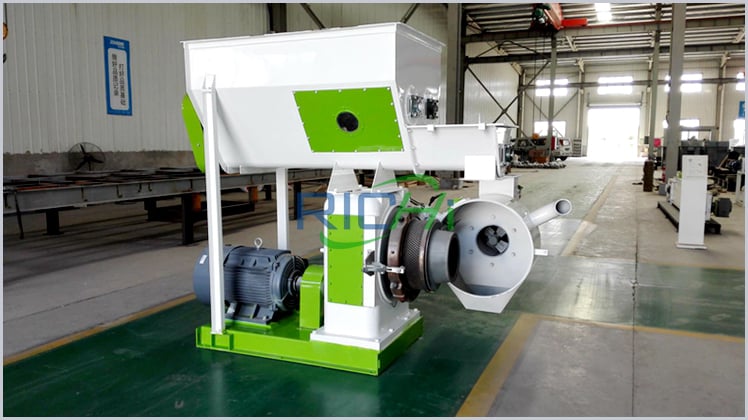
The die is the component that determines pellet quality, production cost, and maintenance frequency. It’s a thick metal ring with precision-drilled holes. The material is forced through those holes by rotating rollers. The friction and pressure generate the heat that binds the pellets together.
The die must be matched to the material. For sawdust, a die made from standard steel will wear out quickly. The abrasive nature of wood fiber, especially from hardwoods, requires a die made from wear-resistant alloy. The alloy die costs more upfront but lasts longer, reducing the cost per ton of pellets produced.
The die hole diameter determines the pellet size. Different markets require different sizes. Fuel pellets for residential stoves are typically 6 to 8 millimeters. Industrial pellets may be larger. The die configuration must match the intended market.
The compression ratio—the relationship between the die hole diameter and the die thickness—affects pellet density and durability. A higher compression ratio produces denser, more durable pellets but requires more power and generates more heat. The right ratio depends on the material and the desired pellet characteristics.
What About the Rest of the System?
A pellet mill doesn’t work in isolation. It’s part of a system. The grinder prepares the material. The dryer reduces moisture. The cooler hardens the pellets. The screener removes fines. The conveyors move material between stages.
If you’re buying a pellet mill machine, you need to think about how it fits into your existing operation or how you’ll build the system around it. Some suppliers offer complete lines. Others sell individual components. The right approach depends on your needs and your budget.
The supporting equipment affects the quality of the final product. Inconsistent grinding leads to inconsistent pellets. Inadequate drying leads to spoilage. Poor cooling leads to soft pellets. Each component matters.
The Manufacturer Matters More Than You Think
The manufacturer of the equipment affects everything. The quality of the build determines how long the machine lasts. The quality of the support determines how quickly you can resolve problems. The availability of spare parts determines how long the machine is down when something wears out.
A manufacturer with experience in biomass pelleting understands the challenges. They know which die works for which material. They know the conditioning parameters that produce the best results. They know the maintenance practices that extend the life of the machine.
They also stand behind their equipment. A warranty is only as good as the company that offers it. A manufacturer with a long track record and a global presence is more likely to be around when you need support than a company that’s just started up.
The Economics of Ownership
The purchase price is just the beginning. The total cost of ownership includes electricity, labor, maintenance, and replacement parts. These ongoing costs can be greater than the initial investment over the life of the machine.
Electricity is a major cost. Pelleting is energy-intensive. The motor, the dryer, and the cooling system all consume power. A machine that’s more efficient will cost less to run. The difference can add up to thousands of dollars per year.
Maintenance is another cost. Dies and rollers wear out. Bearings need lubrication. Belts need replacement. A machine that’s easy to maintain will have lower labor costs and less downtime.
The payback period depends on the difference between the cost of producing pellets and the cost of buying them, or the revenue from selling pellets and the cost of production. For many operations, the payback period is two to three years. After that, the savings or revenue continue for the life of the equipment.
The Questions You Should Ask
Before you buy, ask the supplier these questions. What is the actual capacity with my material? What die configuration do you recommend and why? What is the expected die life? What spare parts should I keep on hand? What training do you provide? What support do you offer after the sale?
The answers will tell you a lot about the supplier and the equipment. A supplier who hesitates or gives vague answers is not the one you want to work with. A supplier who engages with your questions and provides specific, detailed answers is the one you want.
Making the Decision
Buying a sawdust pellet mill is a significant investment. It’s not a decision to be made quickly or based on price alone. The right machine for your operation is the one that matches your material, your production goals, and your budget for the long term.
The market has options at every scale and every price point. The automatic biomass pellet machine and the pellet mill machine categories include machines from many manufacturers, with varying quality and support. The key is to look beyond the price tag and evaluate the whole package.
The right machine will pay for itself. It will produce pellets that meet your standards. It will run reliably with proper maintenance. It will be supported by a manufacturer who stands behind it.
The wrong machine will do none of those things. It will cost more than you expected, produce less than you hoped, and cause more frustration than you can imagine. The difference between the two comes down to the research you do before you buy.
You may also like:https://pelletizerextruder.com/sawdust-pellet-machine/