




Why a Smaller Start Can Be a Strategic Choice
New manufacturers often face uncertainty about local demand, distribution channels, and the most suitable litter formulation. Starting with a manageable capacity can help a business test its product, develop customer relationships, and refine its production process before committing to a much larger facility.
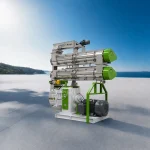
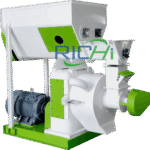
A cat litter pellet machine is an important investment, but its rated capacity should not determine the entire business strategy. The factory must also consider raw material supply, drying requirements, labor, packaging, storage, and transportation. A machine that is too large for the available market may increase fixed costs without generating enough additional sales.
A smaller operation can still be designed professionally. The goal is to create a practical process with reliable quality and enough flexibility to expand when demand justifies additional investment.
Matching Capacity to the First Target Market
Calculate Output From Sales Expectations
Capacity planning should begin with expected monthly orders. A business supplying independent pet shops may have different volume requirements from a distributor serving several cities. Seasonal demand, customer payment terms, and the time required to establish new accounts should also be considered.
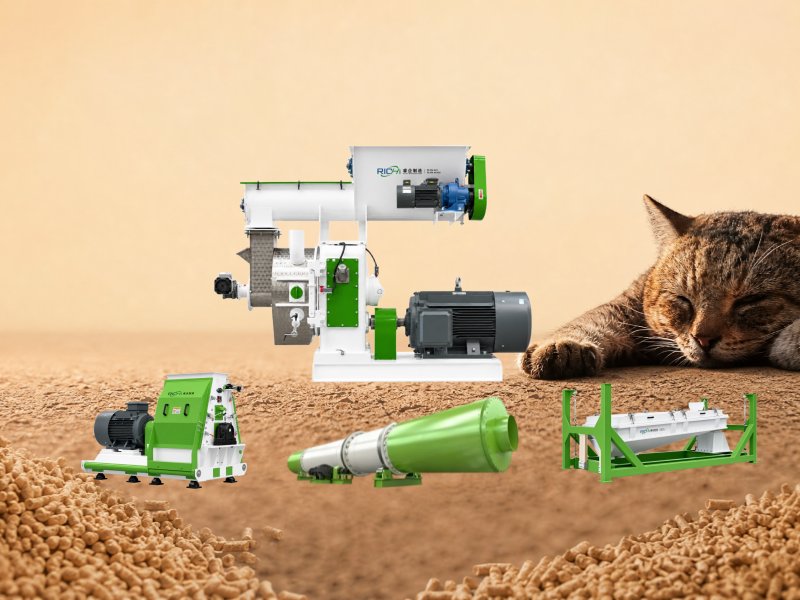
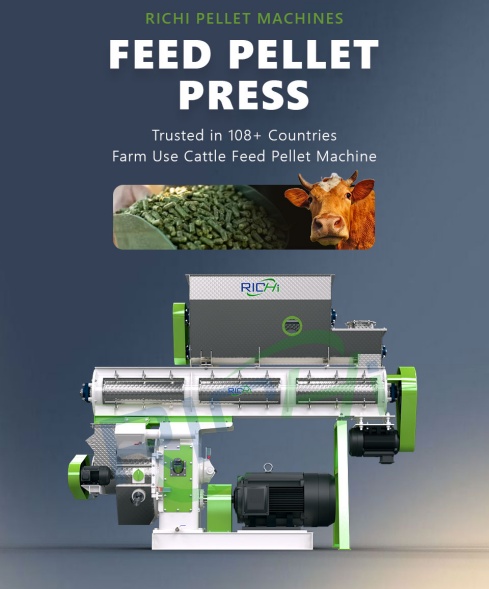
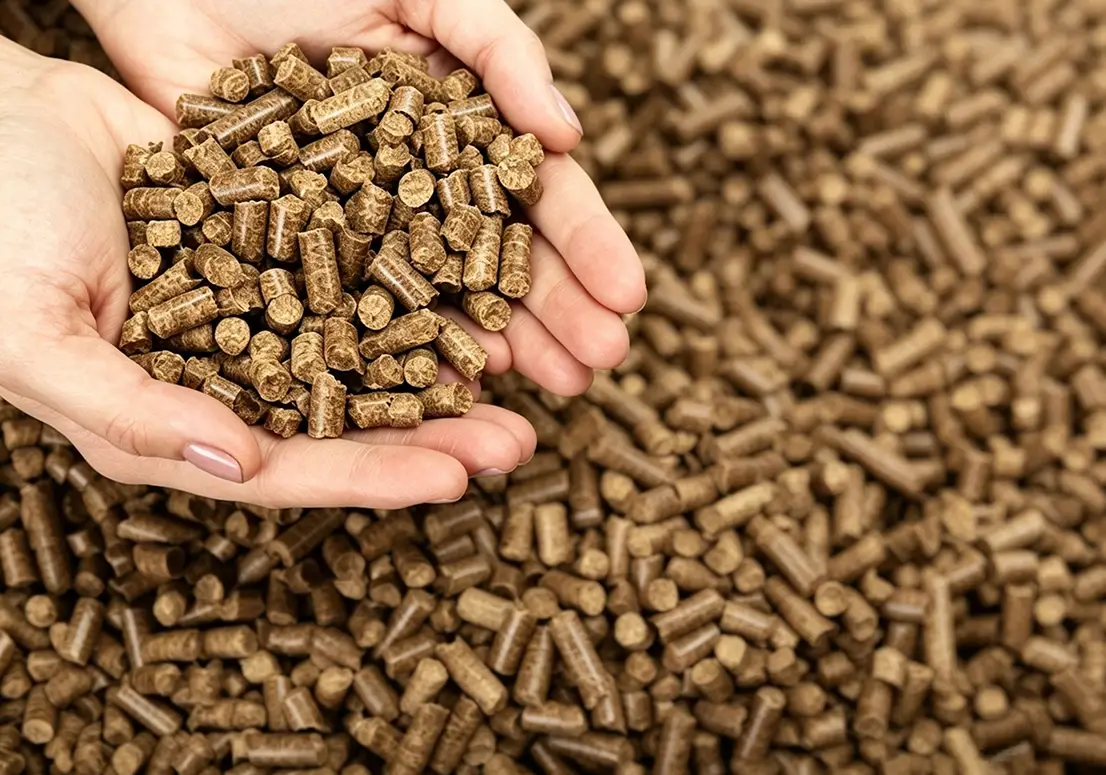
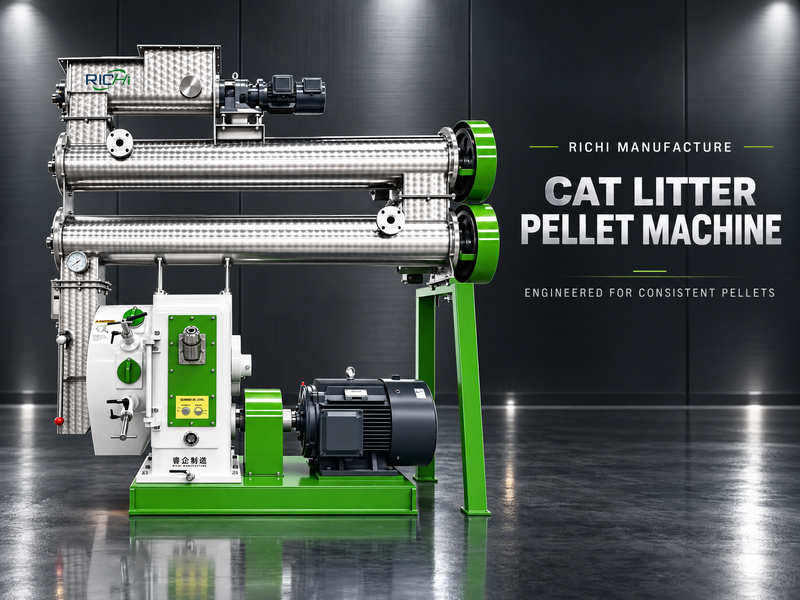
A 1-2t/h cat litter production line may be relevant to a business evaluating this output range, but actual capacity depends on the formulation, raw material characteristics, pellet size, and selected equipment. Buyers should confirm expected production performance through technical evaluation rather than relying on a capacity label alone.
The production schedule also affects usable output. A plant running a single shift has fewer available production hours than one operating multiple shifts. Cleaning, maintenance, product changes, and interruptions reduce the time available for manufacturing. A realistic schedule helps prevent the factory from promising more product than it can deliver.
Keep the Initial Product Range Focused
Launching with too many products can complicate purchasing, storage, production planning, and marketing. Different litter types may require different preparation methods or formulations. Each additional product can also increase the need for testing and inventory management.
A focused launch allows the team to learn how one or two products behave under actual operating conditions. Once quality and sales become more predictable, the factory can assess whether a second formulation or additional packaging size is commercially worthwhile.
Choosing Equipment Without Overcomplicating the Factory
Prioritize the Essential Process Stages
The equipment layout should reflect the condition of the available raw material. If the factory receives coarse wood residues, size reduction may be necessary. If it uses plant-based ingredients with variable moisture, drying and mixing may become important process stages. Prepared materials may require a simpler route.
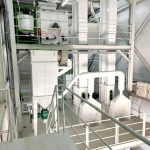
A compact layout can reduce unnecessary transfers, but it should not sacrifice maintenance access or safe operation. Conveyors, elevators, and storage containers should be included where they solve genuine handling problems. Manual handling may be acceptable for limited tasks, but it should not become a bottleneck that prevents the main equipment from operating steadily.
The factory should also plan for screening and finished-product handling. Pellets need to reach packaging in suitable condition, and broken material should be managed through a defined recovery procedure where appropriate.
Consider Future Expansion
Expansion planning does not mean buying every machine in advance. It means avoiding decisions that make future upgrades unnecessarily difficult. Space for an additional mixer, a larger storage bin, or an upgraded packaging station may be valuable if demand grows.
Electrical capacity, floor loading, equipment access, and the arrangement of transfer points can affect the cost of later expansion. These factors should be discussed during initial layout design, even if the additional machinery will not be installed for several years.
Evaluating a Machine Supplier
A useful supplier discussion should cover the actual raw material, formulation, desired pellet dimensions, expected output, and available utilities. Buyers should also ask about wear parts, cleaning, maintenance, installation requirements, and operator training.
An online web link may help buyers find product information, but the purchase decision should be based on a complete technical proposal. It is important to distinguish the main machine from auxiliary equipment and to understand which components are included in the quoted price.
When reviewing a pellet line for sale, compare the complete process rather than the advertised machine count. A proposal with fewer machines may be appropriate when raw materials arrive prepared, while another project may require extensive drying, grinding, and transfer equipment. The best configuration is the one that meets the product requirements at a realistic operating cost.
Controlling Costs During Early Production
Small manufacturers should pay close attention to energy consumption, labor hours, raw material losses, packaging costs, and product returns. These indicators help reveal whether the process is commercially sustainable.
Consistent recordkeeping is particularly valuable during the first months of operation. If product quality changes, operators can compare raw material moisture, formulation, machine settings, and production conditions. This reduces dependence on guesswork and makes corrective action more systematic.
The business should also maintain a sensible inventory of critical spare parts. Excessive inventory ties up capital, but having no replacement parts for frequently worn components can result in avoidable downtime.
Conclusion: Build a Scalable Foundation
A small cat litter factory can compete by choosing a focused product range, matching capacity to realistic demand, and maintaining reliable quality. Careful equipment selection and practical expansion planning help protect the initial investment. Growth should follow evidence from sales, production records, and customer feedback rather than assumptions about future market size.
View details: https://www.richimanufacture.com/cat-litter-pellet-machine/