Every harvest season, millions of tons of straw are generated across farming regions worldwide. While some of this agricultural residue is incorporated back into the soil, a substantial portion remains underutilized. In many regions, open-field burning continues to create environmental concerns while wasting a potentially valuable renewable energy resource.
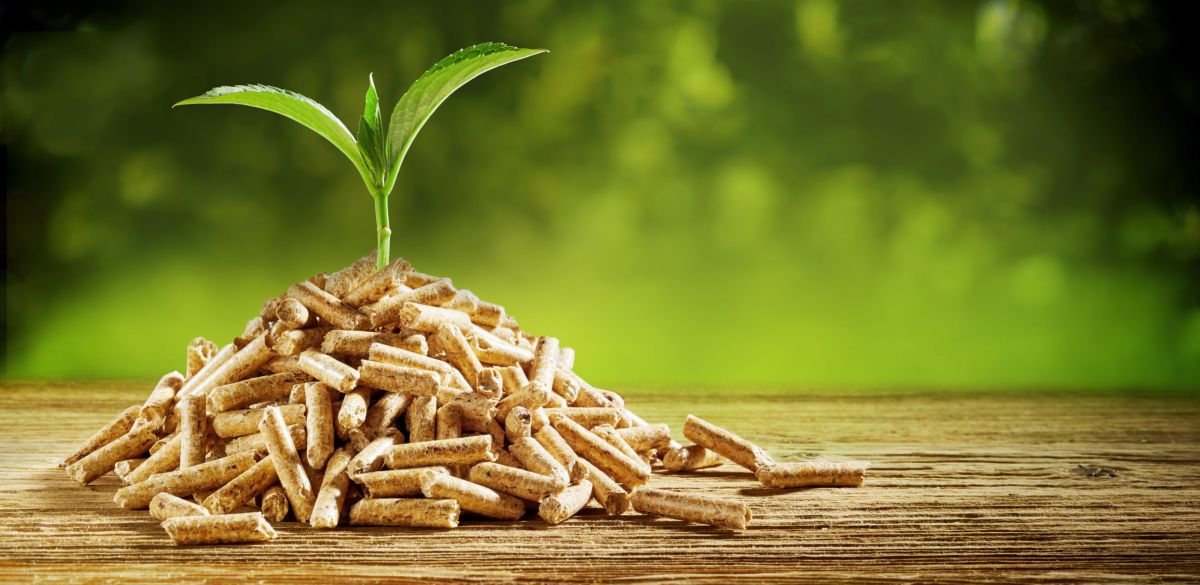
Today, advancements in biomass processing technology have made it possible to convert crop residues into high-density fuel pellets that can be transported, stored, and utilized efficiently. As energy costs rise and industries seek sustainable alternatives to fossil fuels, straw pellets are becoming an increasingly attractive option.
This article explores how modern pellet production technology helps transform low-value straw into a profitable energy commodity and what factors investors should consider when planning a pellet manufacturing project.
Why Straw Is Becoming a Valuable Biomass Resource
Agricultural straw is one of the most abundant biomass materials available globally. Wheat straw, rice straw, corn stalks, barley straw, and rapeseed straw are generated in huge quantities every year.
Several characteristics make straw suitable for pellet production:
- Wide availability
- Low raw material cost
- Renewable and sustainable
- High annual output
- Reduced environmental impact
- Suitable for industrial combustion systems
Many industrial users are replacing coal with biomass fuels to comply with stricter environmental regulations. As a result, demand for standardized biomass pellets continues to grow.
However, raw straw presents several logistical challenges. It is bulky, lightweight, difficult to transport, and susceptible to moisture variations. Pelletization solves these issues by significantly increasing bulk density and improving fuel consistency.
This is where a modern straw granulator becomes an essential component of biomass processing operations.
Understanding the Pellet Manufacturing Process
Producing premium-quality straw pellets requires more than simply compressing raw material.
A successful production process generally includes several stages:
Raw Material Collection
Straw is collected from farms after harvest and transported to storage facilities.
Different straw types may require different handling methods due to varying fiber content, moisture levels, and ash characteristics.
Size Reduction
Large straw bales are broken down using shredders or hammer mills.
Uniform particle size improves feeding stability and pellet quality.
Moisture Conditioning
Moisture content plays a critical role during pellet formation.
Most pellet producers aim for a moisture range that allows proper compression while maintaining pellet durability.
Pelletizing
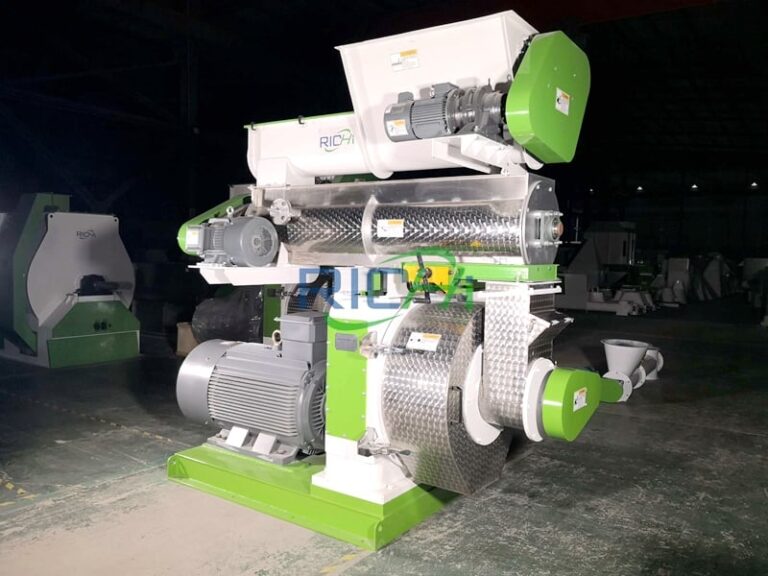
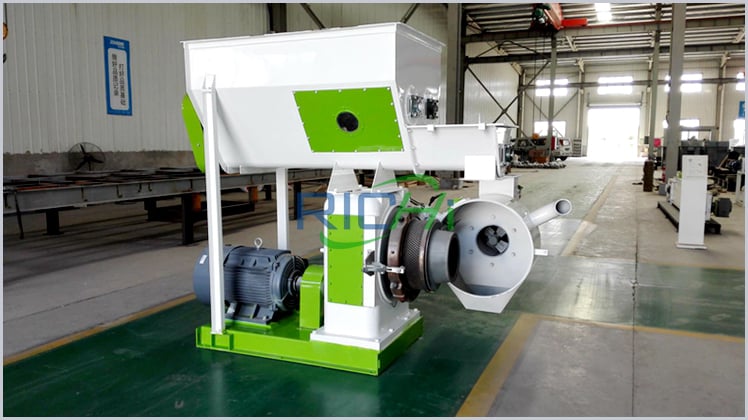
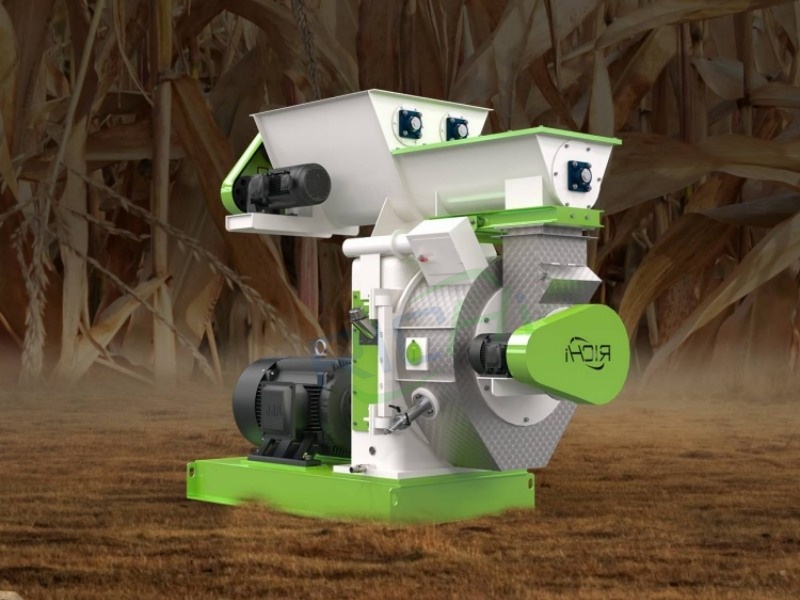
The prepared material enters the straw pellet mill where pressure and friction generate the heat necessary for natural lignin activation.
This lignin acts as a natural binder, helping create dense and durable pellets without additional chemicals.
Cooling and Screening
Fresh pellets leave the pellet mill at elevated temperatures.
Cooling stabilizes pellet structure and reduces moisture levels before storage and packaging.
Screening removes fines and broken particles to ensure a consistent final product.
What Determines Pellet Quality?
Not all biomass pellets perform equally.
Several factors directly influence pellet durability, density, and combustion efficiency.
Raw Material Consistency
Variations in straw type can affect pellet quality.
For example:
- Wheat straw often offers good binding characteristics.
- Rice straw contains higher silica levels.
- Corn stalks may require additional preparation.
Maintaining consistent feedstock improves final product uniformity.
Equipment Design
The performance of the pelletizing system significantly impacts production efficiency.
A high-quality pelleting machine provides:
- Stable feeding
- Uniform compression
- Reduced wear
- Higher output consistency
- Lower maintenance requirements
Process Control
Modern production facilities increasingly utilize automated monitoring systems.
These systems help operators maintain optimal conditions throughout the production process, minimizing downtime and maximizing pellet quality.
Scaling Production for Commercial Success
One of the most important decisions investors face is determining the appropriate plant size.
Production capacity should align with:
- Raw material availability
- Target market demand
- Investment budget
- Energy costs
- Labor availability
Many new investors begin with a commercial straw pellet plant for sale solution that balances production efficiency with manageable capital requirements.
This approach allows operators to establish market presence while retaining flexibility for future expansion.
Larger facilities may pursue industrial-scale production when abundant straw resources are available within economical transportation distances.
The Economics of Straw Pellet Production
Pellet production economics depend on multiple variables.
Raw Material Costs
In many regions, straw remains relatively inexpensive compared to wood fiber.
However, transportation and storage costs can significantly influence overall profitability.
Energy Consumption
Electricity consumption represents a major operating expense.
Efficient machinery helps reduce production costs over the long term.
Labor Requirements
Automation can reduce labor dependency while improving operational consistency.
Market Opportunities
Potential buyers include:
- Industrial boilers
- Biomass power plants
- District heating systems
- Commercial heating facilities
- Agricultural operations
- Export markets
Facilities that produce consistent, high-quality pellets often achieve better pricing and stronger customer retention.
Sustainability Benefits Beyond Energy Production
Straw pellet manufacturing offers environmental advantages beyond renewable fuel generation.
Reduced Open Burning
Converting straw into pellets helps reduce air pollution associated with agricultural residue burning.
Carbon Emission Reduction
Biomass fuels contribute to carbon reduction strategies when sourced sustainably.
Waste Utilization
Pellet production transforms agricultural by-products into marketable energy products.
Rural Economic Development
Pellet facilities create employment opportunities while generating additional revenue streams for farmers.
These benefits increasingly attract support from governments and sustainability-focused investors.
Technology Trends Shaping the Industry
The biomass sector continues to evolve rapidly.
Several innovations are improving pellet production efficiency:
Smart Monitoring Systems
Sensors and automated controls provide real-time process optimization.
Enhanced Die Design
Modern die technology improves pellet durability while reducing energy consumption.
Flexible Feedstock Processing
Advanced systems can handle multiple agricultural residues with minimal adjustments.
Integrated Production Solutions
Many investors now prefer turnkey projects delivered by experienced manufacturers such as Richi Pelletizer, enabling faster implementation and more predictable project outcomes.
Integrated systems streamline equipment compatibility and simplify plant management.
Choosing the Right Project Partner
Selecting equipment is only one part of a successful investment.
Experienced suppliers provide valuable support in:
- Project planning
- Plant design
- Equipment selection
- Installation guidance
- Operator training
- Long-term technical service
Investors researching available options often browse around here to compare technologies, evaluate case studies, and identify suppliers with proven industry experience.
A comprehensive evaluation process reduces project risks and improves long-term operational performance.
Looking Ahead
Global interest in renewable energy continues to accelerate. Agricultural residues that were once considered waste are increasingly viewed as valuable industrial resources.
For regions with abundant crop production, straw pellet manufacturing offers an opportunity to create sustainable fuel products while generating new revenue streams from existing agricultural activities.
As processing technology advances and biomass demand expands, pellet producers who invest in efficient equipment, optimized production systems, and reliable operational practices will be well positioned to benefit from the growing bioenergy economy.
Straw is no longer simply a by-product of farming. With the right technology and strategic planning, it can become a cornerstone of a profitable and environmentally responsible energy business.
(Related Post: https://www.richipelletmill.com/straw-pellet-mill/)