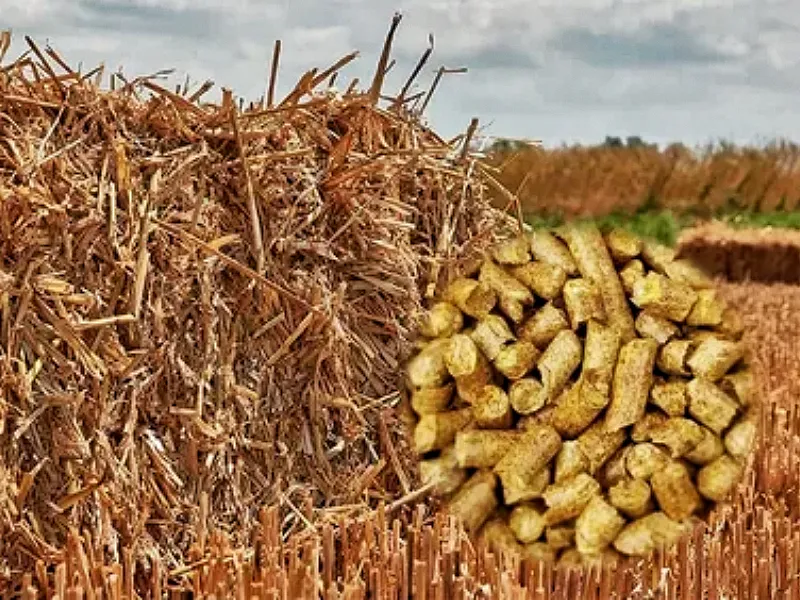
Rice straw pellet machine technology is reshaping how rice-growing regions manage agricultural residues, turning abundant straw into a clean, transportable energy source. After each harvest season, vast quantities of rice straw are often burned or left to decay, causing air pollution and wasted energy. Pelletizing offers a practical alternative by converting loose straw into dense, uniform pellets suitable for industrial and commercial use.
As demand for renewable energy rises, rice straw pellets are increasingly adopted by biomass boilers, district heating projects, and power generation facilities. With the right equipment and process design, rice straw can move from a disposal challenge to a reliable fuel resource.
Understanding Rice Straw as a Biomass Material
Rice straw differs significantly from wood residues or energy grasses. It is lightweight, hollow, and rich in silica, which affects both processing and equipment wear. Moisture levels also vary depending on harvest timing and storage conditions. These factors make rice straw pelletizing technically feasible, but only with appropriate preparation and machinery.
When properly processed, rice straw pellets offer stable calorific value and consistent combustion behavior. This makes them attractive in regions where rice farming is widespread and wood resources are limited.
(Related Post: https://biomasspelletizer.com/rice-straw-pellet-machine/)
Why a Rice Straw Pellet Machine Is Essential
A dedicated rice straw pellet machine is engineered to handle fibrous, abrasive straw materials. Compared with general-purpose pellet equipment, it features reinforced components, optimized compression ratios, and durable die designs to cope with silica-rich biomass.
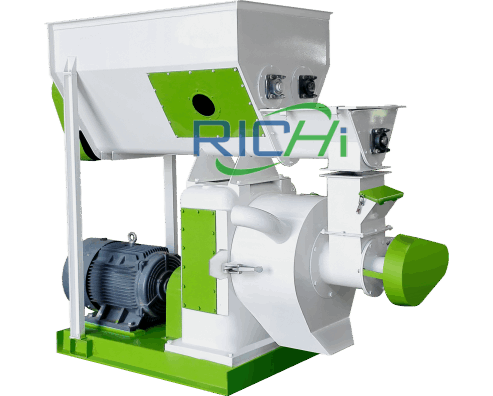
Operational advantages include steady output, improved pellet density, and reduced fines. The machine can operate continuously in industrial environments, making it suitable for large-scale projects and long-term contracts. With proper configuration, it also supports blended raw materials, allowing producers to adjust formulas based on seasonal availability.
From Field to Fuel: Integrated Processing Approach
Successful pellet production depends on more than a single machine. A coordinated straw pellet production line system ensures that each stage supports the next, improving efficiency and final pellet quality.
Size Reduction and Pre-Treatment
Rice straw is first chopped and crushed into uniform particles. This step improves material flow and reduces energy consumption during pelletizing.
Drying and Moisture Adjustment
Controlled drying brings moisture to an optimal range, enabling strong pellet bonding while preventing cracks and deformation.
Pelletizing and Forming
Under high pressure and temperature, natural binders in the straw are activated, shaping compact pellets with consistent dimensions.
Cooling and Screening
Fresh pellets are cooled to enhance hardness, then screened to remove fines before storage or delivery.
This integrated workflow minimizes downtime and stabilizes production across varying raw material conditions.
Applications and Market Opportunities
Rice straw pellets are widely used in industrial boilers, biomass power plants, and commercial heating systems. In rice-producing countries, they provide a cost-effective alternative to fossil fuels and imported wood pellets.
For operators seeking operational insights and real-world references, exploring the best site for industry knowledge can help clarify equipment selection and capacity planning. These resources often highlight how system design influences efficiency and long-term performance.
Selecting the Right Pellet Machine Configuration
Choosing a pellet machine for sale requires careful evaluation of capacity, die specifications, and power requirements. The right configuration balances output with durability, ensuring consistent pellet quality while controlling maintenance costs.
A properly matched pellet machine improves energy efficiency and extends service life. When paired with reliable upstream preparation and downstream handling, it becomes the core asset of a profitable biomass operation.
Environmental and Economic Benefits
Rice straw pellet production delivers measurable environmental benefits by reducing open-field burning and lowering greenhouse gas emissions. Economically, it creates new revenue streams for agricultural regions and supports local energy independence.
For investors and plant operators, pelletizing rice straw aligns sustainability goals with practical returns. As biomass markets mature, demand for straw-based pellets continues to grow, driven by policy incentives and rising fuel costs.
Conclusion
Rice straw no longer needs to be an environmental burden. With a professional rice straw pellet machine and a well-designed production system, agricultural residues can be transformed into valuable biomass fuel. This approach supports cleaner energy, efficient resource use, and scalable industrial production, making rice straw pelletizing a smart choice for the future.