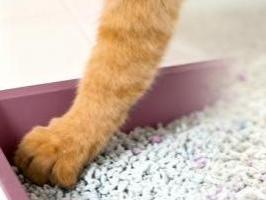
With the rapid growth of the global pet industry, demand for high-quality, eco-friendly cat litter continues to rise. A professional cat litter production line provides manufacturers with an efficient, scalable, and cost-effective solution for producing various types of cat litter that meet market expectations for absorbency, odor control, and sustainability. This article offers a comprehensive overview of cat litter production lines, covering process flow, equipment configuration, key advantages, and selection guidelines for investors and producers.
What Is a Cat Litter Production Line?
A cat litter production line is an integrated manufacturing system designed to process raw materials into finished cat litter granules with uniform size, stable structure, and excellent performance. Depending on the raw materials and technology used, a cat litter production line can manufacture different products such as:
- Bentonite cat litter
- Tofu cat litter
- Wood pellet cat litter
- Corn or paper-based cat litter
Related long-tail keywords naturally associated with this topic include automatic cat litter production line, cat litter manufacturing plant, cat litter pellet production line, and industrial cat litter making line.
Main Process Flow of a Cat Litter Production Line
Although specific processes vary by material type, a standard cat litter production line typically includes the following steps:
- Raw Material Preparation
Raw materials such as bentonite clay, soybean fiber, wood sawdust, corn starch, or recycled paper are first inspected and stored. Moisture control and impurity removal are essential to ensure consistent product quality. - Crushing and Grinding
Large or uneven materials are crushed and ground to the required particle size. Uniform raw material size improves granulation efficiency and ensures stable pellet strength. - Batching and Mixing
Precise batching systems combine base materials with binders, deodorants, and functional additives. High-efficiency mixers ensure uniform distribution, which directly affects clumping ability and odor control. - Pelletizing or Granulation
The pellet mill or granulator is the core equipment in a cat litter production line. Through mechanical pressure and shaping dies, materials are formed into cylindrical or granular cat litter pellets. Pellet size and density can be adjusted to meet different market requirements. - Drying
Fresh pellets contain excess moisture and must be dried to improve hardness, absorbency, and shelf life. Belt dryers or rotary dryers are commonly used in industrial cat litter manufacturing plants. - Cooling and Screening
After drying, pellets are cooled to ambient temperature and screened to remove fines or oversized particles, ensuring consistent appearance and packaging quality. - Packaging and Storage
Qualified cat litter products are automatically weighed, packed, and sealed for distribution. Automated packaging systems improve efficiency and reduce labor costs.
Key Advantages of a Modern Cat Litter Production Line
Investing in a well-designed cat litter production line offers multiple benefits for manufacturers:
- High Production Efficiency
Automated cat litter manufacturing lines ensure continuous operation and stable output, suitable for large-scale production. - Wide Raw Material Compatibility
A flexible cat litter pellet production line can process bentonite, biomass materials, and plant fibers, supporting diverse product portfolios. - Consistent Product Quality
Controlled granulation and drying processes ensure uniform pellet size, strong clumping performance, and low dust content. - Energy-Saving and Eco-Friendly Design
Modern equipment focuses on reduced energy consumption and minimal waste, aligning with sustainable pet product trends. - Customizable Capacity
From small-scale cat litter making lines to fully automatic industrial plants, production capacity can be tailored to specific business needs.
Equipment Configuration and Customization
A complete cat litter production line typically includes:
- Crusher or grinder
- Automatic batching and mixing system
- Automatic cat litter pellet machine
- Drying system (belt dryer or rotary dryer)
- Cooler and vibrating screen
- Automatic packing machine
Customized layouts and equipment selection help optimize plant space, reduce operating costs, and improve overall efficiency.
(Useful link: https://pelletisingmachine.com/cat-litter-machine/)
Applications and Market Opportunities
Cat litter production lines are widely used by:
- Pet product manufacturers
- Private-label cat litter suppliers
- Biomass and eco-friendly material processors
- Export-oriented pet care companies
With increasing demand for biodegradable and low-dust products, cat litter manufacturing plants based on plant fiber and recycled materials offer strong long-term market potential.
How to Choose the Right Cat Litter Production Line
When selecting a cat litter production line solution, consider the following factors:
- Target cat litter type and raw materials
- Required production capacity and automation level
- Pellet size, shape, and packaging requirements
- Equipment durability and maintenance cost
- Supplier experience and after-sales technical support
A reliable cat litter production line should deliver stable performance, consistent quality, and flexibility for future expansion.
Conclusion
A professional cat litter production line is the foundation of efficient, scalable, and sustainable cat litter manufacturing. By integrating advanced pelletizing technology, intelligent control systems, and customized process design, modern cat litter production lines help manufacturers meet diverse market demands while maintaining competitive production costs. Whether producing bentonite, tofu, or biomass-based cat litter, the right production line is key to long-term success in the growing pet care industry.