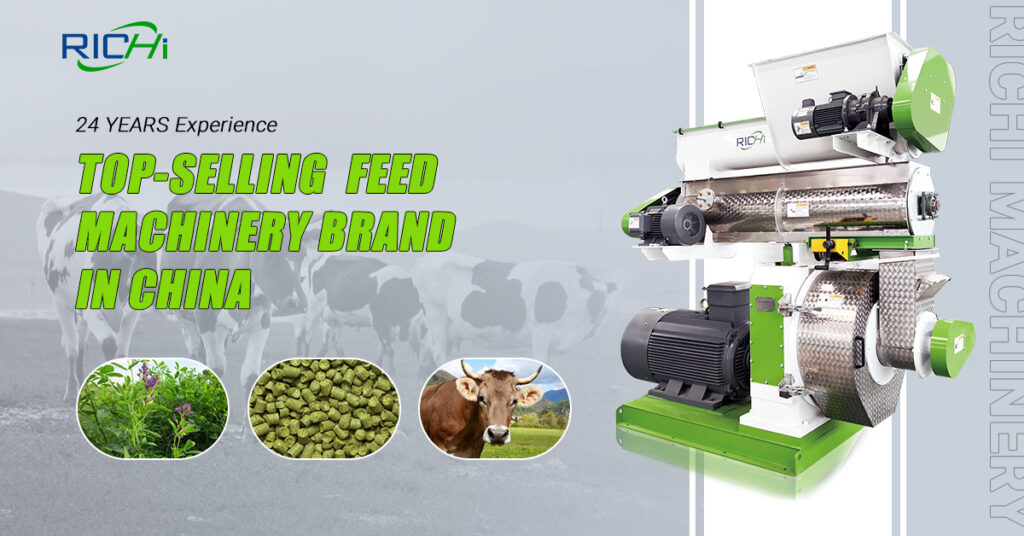
Overview of Animal Feed Pellet Machines
An animal feed pellet making machine for sale typically refers to industrial or semi-industrial equipment used to compress powdered or mixed feed ingredients into compact pellets for animal consumption. These machines play a central role in modern feed manufacturing by transforming loose feed materials into standardized pellet forms that are easier to handle, transport, store, and digest.
Animal feed pellet machines are widely used across livestock, poultry, and aquaculture industries. Their adoption reflects the broader mechanization of agriculture and the global shift toward efficient, scalable animal nutrition systems.
Historical Background of Feed Pelleting Technology
The development of feed pelleting technology dates back to the early 1900s, when researchers and engineers began exploring methods to improve feed utilization and reduce waste. Before pelleting, animals were commonly fed loose mash or raw grains, which often led to selective feeding and inconsistent nutrient intake.
As mechanical engineering advanced, early pellet mills were introduced in Europe and North America. These machines gradually evolved into today’s animal feed pellet machines, capable of continuous operation, higher output, and precise control over pellet size and density. Over time, feed pelleting became a standard practice in commercial feed production worldwide.
Basic Structure of an Animal Feed Pellet Machine
An animal feed pellet machine consists of several core components that work together to form feed pellets efficiently.
Feeding System
The feeding system delivers raw materials into the pelletizing chamber at a controlled rate. Consistent feeding ensures stable machine operation and uniform pellet quality.
Pelletizing Chamber
Inside the chamber, feed material is compressed through a die by rotating rollers. The combination of pressure, friction, and heat causes the feed to bind together and form cylindrical pellets.
Drive System
The drive system includes the motor, gearbox, and transmission components. It provides the necessary mechanical power to rotate the die or rollers, depending on the machine design.
Types of Animal Feed Pellet Machines
Animal feed pellet machines for sale are available in various configurations, each designed to meet specific production needs.
Flat Die Pellet Machines
Flat die pellet machines are commonly used in small-scale farms and workshops. They feature a simple structure, easy operation, and relatively low investment cost.
Ring Die Pellet Machines
Ring die pellet machines are widely used in commercial feed mills. They offer higher output, better pellet quality, and longer service life, making them suitable for large-scale feed production.
Manufacturers such as RICHI supply both flat die and ring die pellet machines, catering to diverse production capacities and operational requirements.
Common Raw Materials for Feed Pelleting
Animal feed pellet machines can process a wide range of raw materials, depending on the target animal species and nutritional formulation.
Typical raw materials include:
Corn, wheat, and barley as energy sources
Soybean meal and sunflower meal as plant protein sources
Fish meal and meat meal as animal protein sources
Bran and agricultural by-products
Vitamin and mineral premixes
The flexibility of feed pellet machines allows feed producers to adapt formulations based on local availability and cost considerations. https://richipelletizer.com/animal-feed-pellet-press/
Pellet Quality and Nutritional Benefits
Pelletizing feed offers several nutritional and physical advantages compared to loose feed.
Improved Feed Intake
Pellets prevent animals from selectively eating certain ingredients, ensuring balanced nutrient consumption.
Enhanced Digestibility
The heat and pressure generated during pelleting improve starch gelatinization and protein availability.
Reduced Feed Waste
Pellets are less likely to be spilled or blown away, especially in automated feeding systems.
Applications Across Animal Industries
Animal feed pellet machines are used in various sectors of animal agriculture.
Livestock Feeding
Cattle, sheep, goats, and pigs benefit from pelleted feed due to its consistent nutrient profile and ease of handling.
Poultry Production
Pellet and crumble feeds are widely used in broiler and layer operations to support rapid growth and efficient feed conversion.
Aquaculture
Specialized feed pellet machines can produce sinking or floating pellets for fish and shrimp, depending on processing parameters and formulations. View it
Global Market and Trade Perspective
The global market for animal feed pellet machines has expanded significantly in recent decades. Rising demand for animal protein, particularly in Asia, Africa, and South America, has driven investment in feed processing equipment.
An animal feed pellet machine for sale is often traded internationally, with equipment exported to regions experiencing rapid growth in livestock and aquaculture industries. Suppliers such as RICHI Equipment participate in this global trade by providing equipment tailored to different regulatory standards and production scales.
Installation and Operational Considerations
Proper installation and operation are essential for maximizing the performance of an animal feed pellet machine.
Key considerations include:
Stable foundation and alignment
Adequate power supply
Proper raw material preparation
Operator training and safety measures
Well-managed operations help extend machine lifespan and maintain consistent pellet quality.
Maintenance and Service Life
Routine maintenance is critical for ensuring reliable long-term operation.
Maintenance practices typically involve:
Regular inspection of dies and rollers
Lubrication of bearings and moving parts
Monitoring of motor load and temperature
Timely replacement of wear components
With proper maintenance, an animal feed pellet machine can operate efficiently for many years.
Environmental and Sustainability Aspects
Modern animal feed pellet machines are increasingly designed with sustainability in mind. Improved energy efficiency, reduced dust emissions, and optimized material usage contribute to environmentally responsible feed production.
The ability to process agricultural by-products and alternative protein sources further supports sustainable livestock and aquaculture practices.
Selection Factors When Purchasing a Pellet Machine
When evaluating an animal feed pellet machine for sale, buyers typically consider:
Production capacity requirements
Target animal species
Raw material characteristics
Energy consumption
Availability of technical support
Choosing the appropriate machine helps ensure long-term operational success and cost efficiency.
Conclusion
An animal feed pellet machine for sale represents more than just a piece of equipment; it is a key component of modern animal nutrition systems. By converting diverse raw materials into uniform, nutritionally balanced pellets, these machines support efficient feed utilization, improved animal performance, and scalable agricultural production. As global demand for animal feed continues to grow, animal feed pellet machines will remain essential tools in the feed processing industry. Animal feed pellet machine south africa